Generation
Elektrum Group has a balanced and environmentally friendly energy generation portfolio, consisting mainly of HPPs and highly efficient CHPPs, as well as solar and wind power plants.
Key facts
Elektrum Group is Latvia's leading producer of electricity and thermal energy. Most of the electricity and thermal energy is generated at three Daugava hydropower plants (HPPs) and two Elektrum Group combined heat and power plants (CHPs).
The Daugava HPPs and CHPs take part in providing balancing services in the Baltic electricity balancing capacity market.
The CHPs also generate a significant share of the heat needed to supply the city of Riga.
In addition, new Elektrum Group renewable energy resource (RES) generation capacity is being developed in the Baltics at a growing pace.
Elektrum Group is one of the most environmentally friendly electricity producers in the European Union.
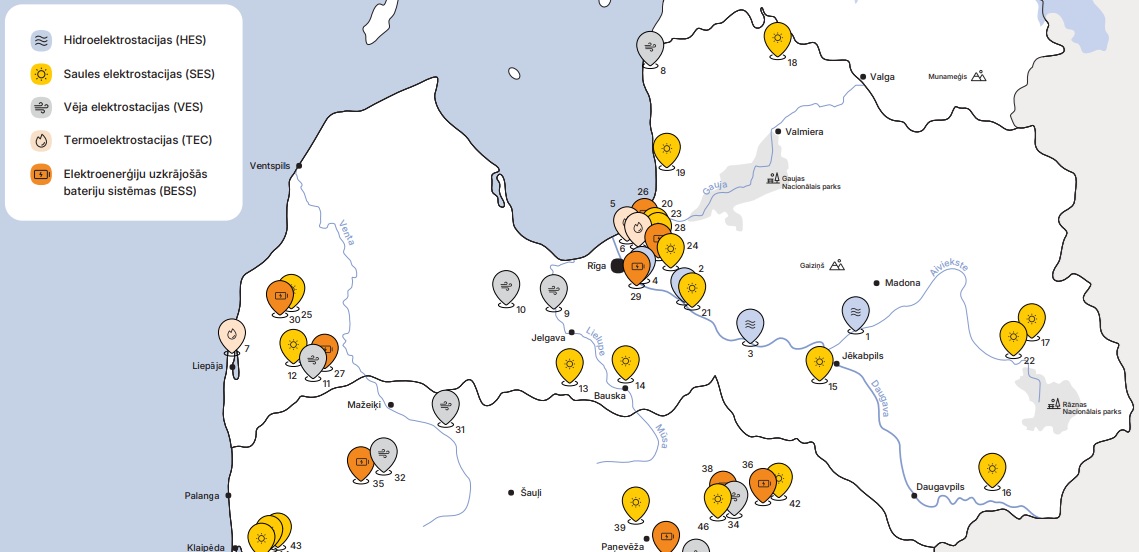
Electricity generation and storage plants
 Download the full overview
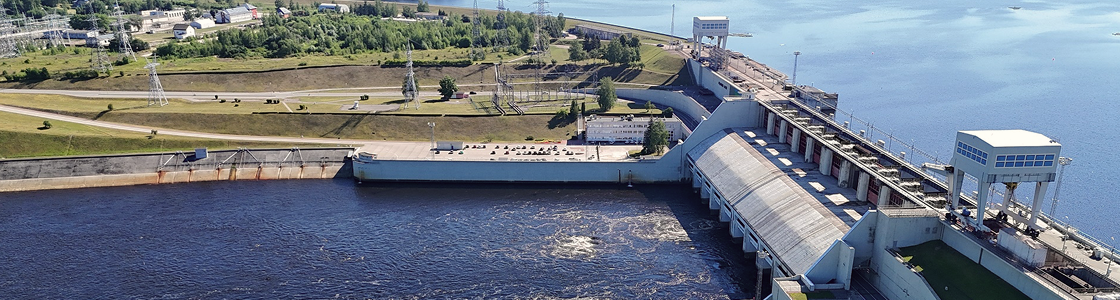
Hydropower plants
The Daugava HPP cascade gives Latvia some of the highest renewable electricity generation indicators in the European Union, significantly strengthening the country's energy independence and the achievement of climate targets.
In 2025, due to lower water inflow, electricity generation at the Daugava HPPs decreased by 8% to 2875 GWh compared with 2024, but it still accounts for the largest share (61%) of the total electricity generated by Elektrum Group.
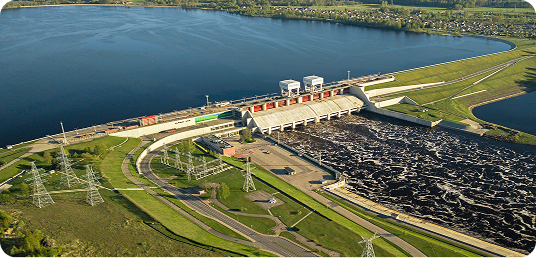
As solar and wind energy increasingly enter the generation mix, the role of hydropower plants in Latvia's energy system is also changing, as they become a flexible and responsive energy source that helps balance variable renewable generation and ensure system stability. The Daugava HPPs are continuously being modernised so that in the future they can use water resources efficiently, strengthen energy supply security and reduce their environmental impact.
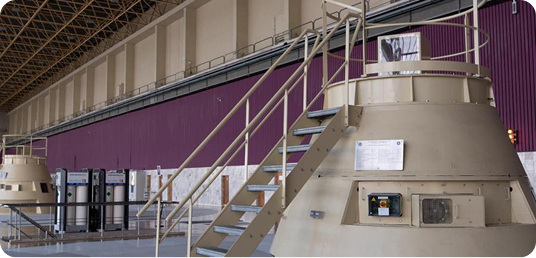
Electricity generation at the Daugava HPPs depends on the water inflow in the Daugava. In years of normal inflow, full capacity is reached during the spring flood, which lasts one to two months, when the volume of water is more than ten times greater than in the low-water periods in summer. During floods, it is possible to meet the demand of all Elektrum Group customers and sell the surplus on the Nord Pool exchange, while outside the flood period water is stored and electricity is generated at times of higher demand and prices.
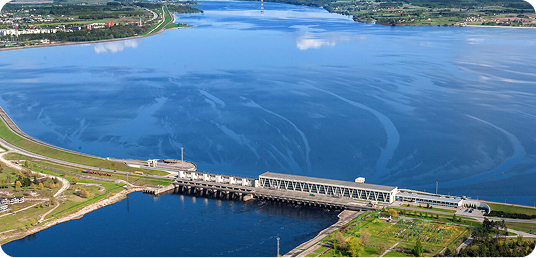
To improve energy efficiency, Elektrum Group, with European Union co-financing, is implementing sustainable investment projects at the Daugava HPPs, including green energy generation and use for the company's own needs, as well as improving energy efficiency in buildings by reducing electricity consumption for heating and increasing the efficiency of heating substations.
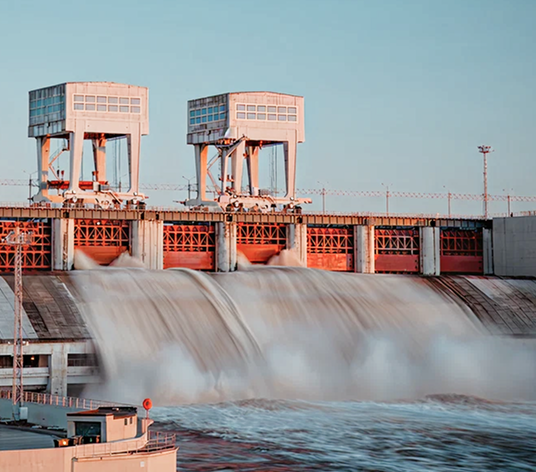
Pļaviņas HPP
By installed capacity, Pļaviņas HPP is the largest hydropower plant in the Baltic states and one of the largest in the EU, making a significant contribution to the stability of the Baltic power system and to voltage regulation in high-voltage grids.
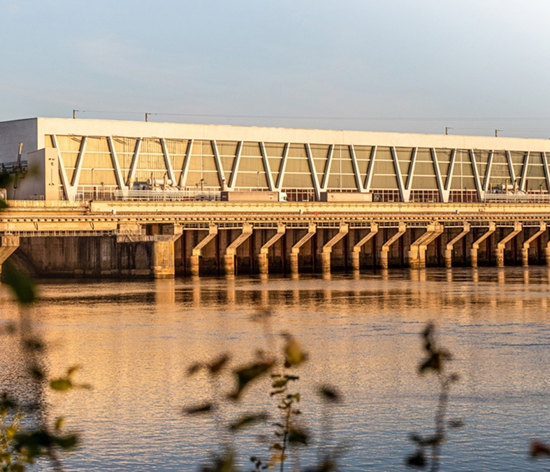
Riga HPP
Riga HPP is the newest of the Daugava hydropower plants. It also serves as a synchronous compensator for voltage regulation in high voltage electricity networks. The reconstruction of the Riga HPP was completed in 2022.
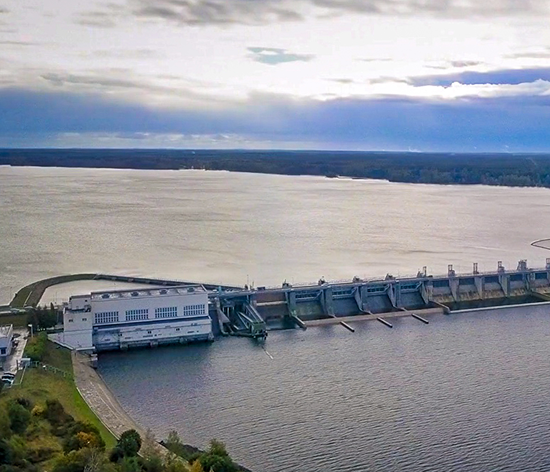
Ķegums HPP
Ķegums HPP is the oldest Daugava hydropower plant. It consists of two separate power plants built at different times on the right and left banks of the Daugava.
Thermal power plants
The operation of Elektrum Group's CHPs is adjusted to electricity market conditions and heat demand. In 2025, they generated 1 587 GWh, which is 3% less than in 2024, or 34% of the Group's total generation.
Heat generation fell by 8% in 2025 to 1310 GWh, and it is sold at regulated tariffs to Rīgas siltums AS and other local consumers.
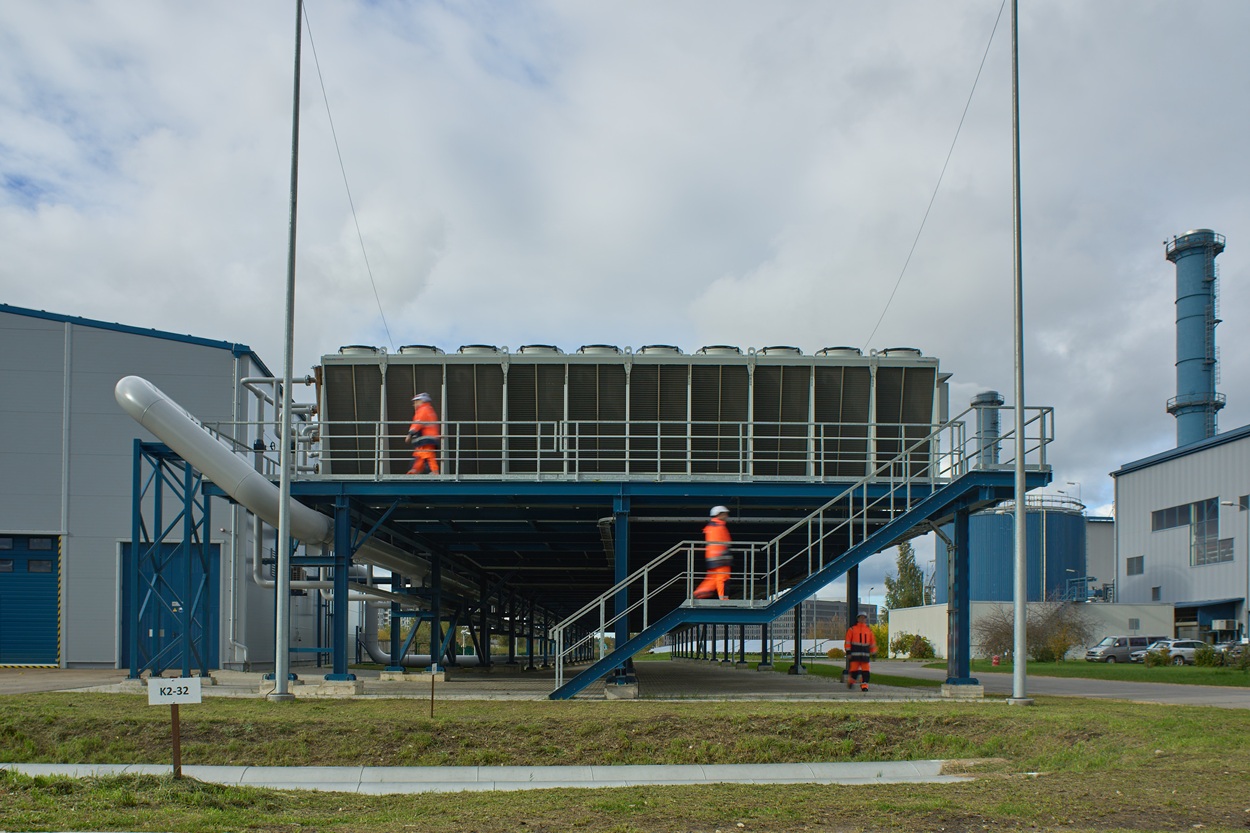
Elektrum Group's modernised CHPs mainly operate in highly efficient cogeneration mode according to heat demand. Their operation can be flexibly adjusted to the electricity market, and they provide Latvia with significant baseload capacity.
If electricity imports are restricted, the two CHPs can cover almost all of Latvia's electricity consumption.
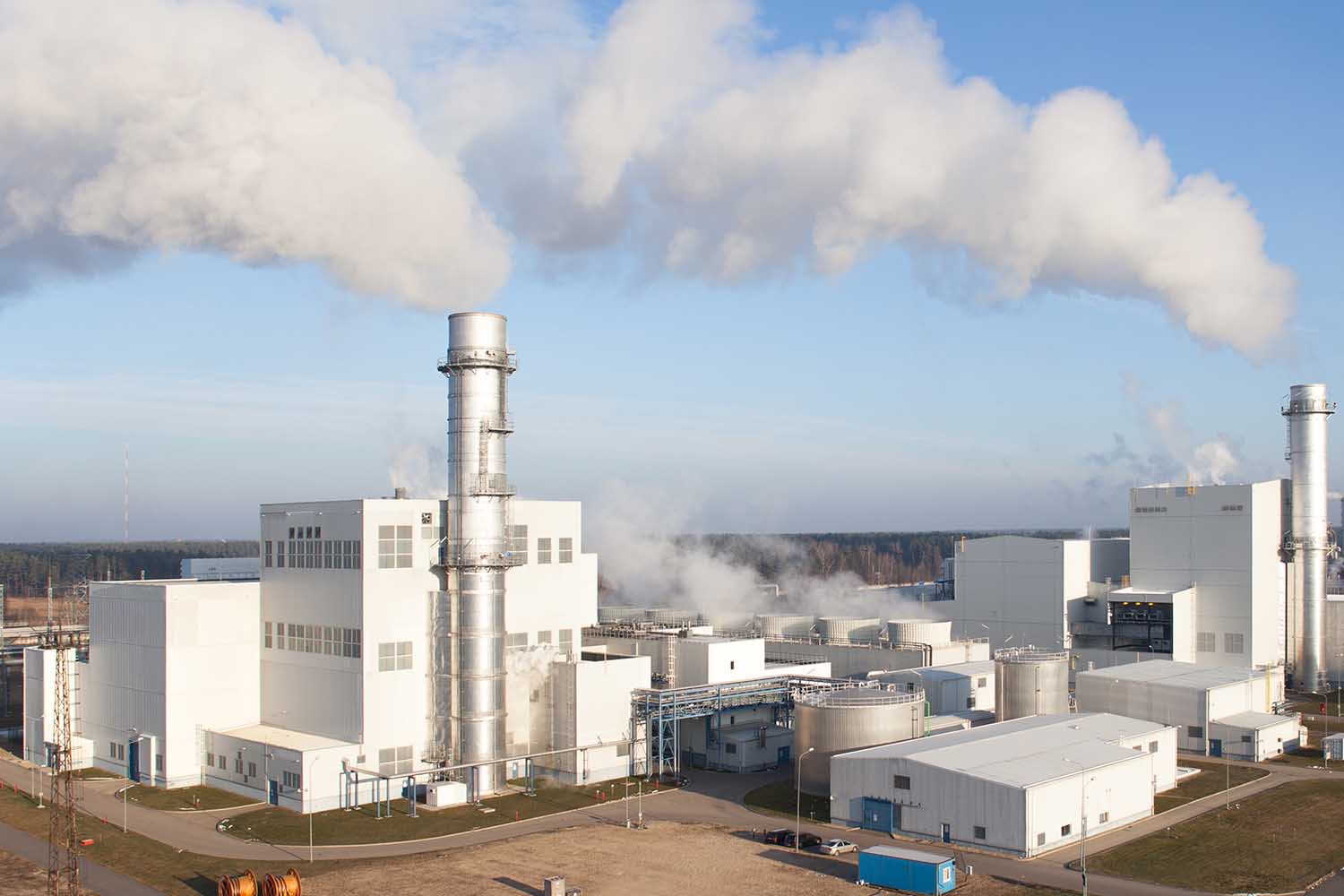
A heat accumulation system has been installed on the Elektrum Group CHPP-2 site; it is the largest and only heat accumulation tank in the Baltic states, with a heat carrier volume of up to 18 thousand m³.
This large-scale, modern solution ensures more efficient use of fuel in the country, reduces energy resource consumption and increases the competitiveness of the CHPP plants.
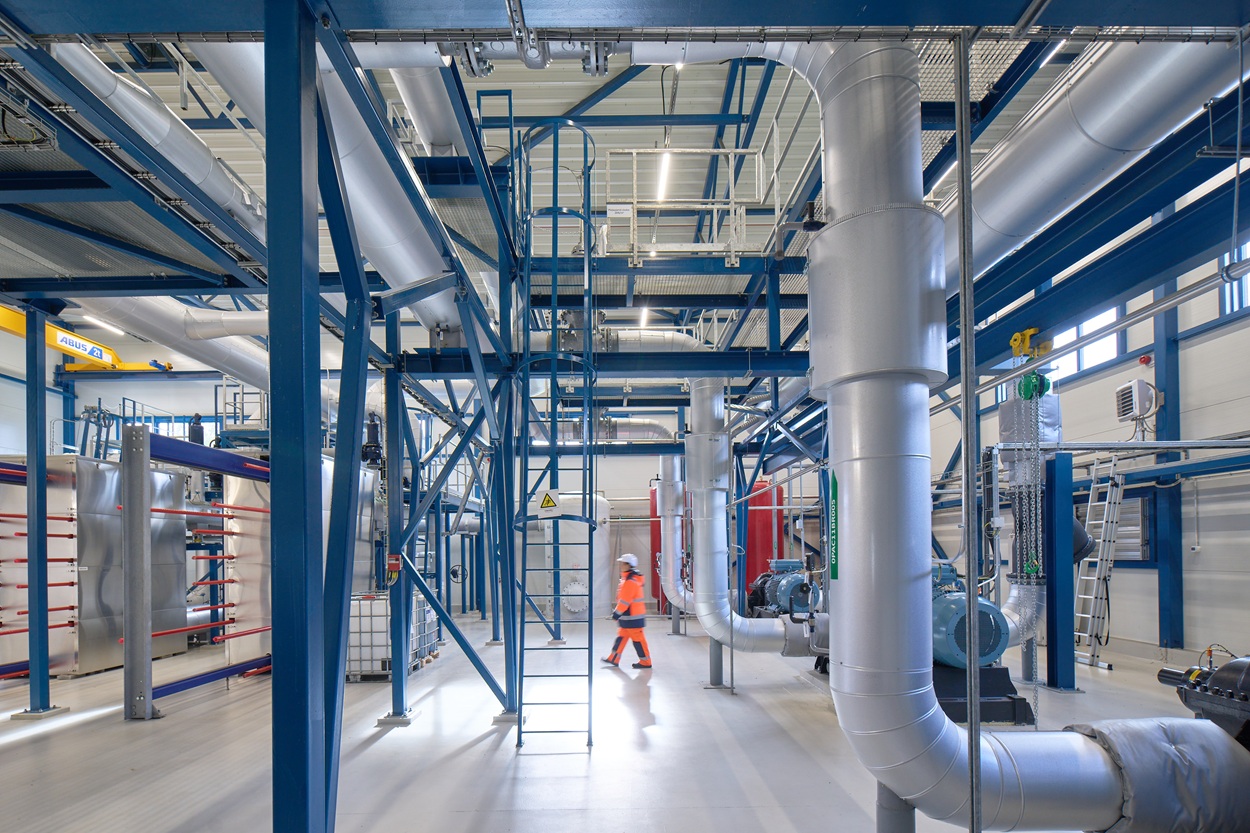
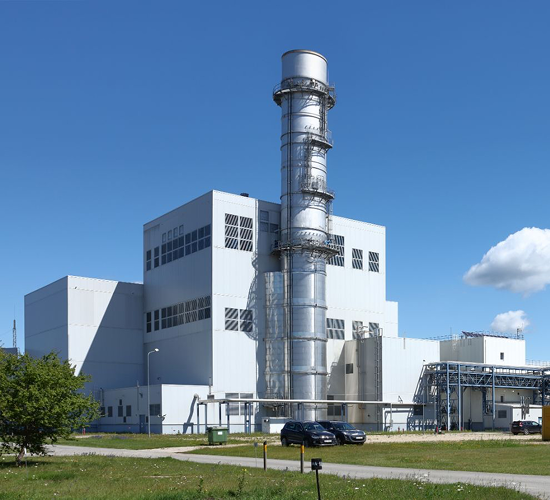
CHPP-1
In 2005, a completely new plant was commissioned in the territory of the CHPP-1 and the old plant was closed down. Two gas turbines, one steam turbine and three water boilers are operated at the CHPP-1.
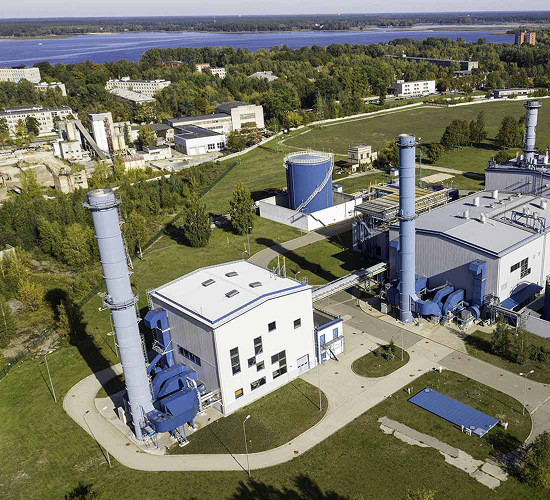
CHPP-2
Reconstruction of two power units was carried out from 2006 to 2013. Currently, CHPP-2 is the most efficient and advanced combined-cycle power plant in the Baltics. Two combined-cycle gas turbine units and five water boilers are operated at the plant. In 2021, the largest heat storage system in the Baltics was commissioned at CHPP-2.
Solar and wind parks
Elektrum Group continues to work actively on expanding its RES generation capacity, which will at the same time help achieve national climate targets and strengthen energy security. The focus is on developing wind power plants (WPPs) and solar power plants (SPPs).
In 2025, electricity generated at Elektrum Group's solar and wind plants reached 209 GWh, or 5 times more than in 2024.
In 2025, investment increased significantly, by 49%, to EUR 792.2 million, the highest level in Elektrum Group's history. Most of the investment went to the development and construction of RES projects.
The largest RES parks built are the Aizpute solar park (265 MW), the Telšiai wind farm in Lithuania (124 MW), the Laflora Energy wind farm (109 MW), the Kiškėnai solar park in Lithuania (91 MW) and the Klaipėda solar park in Lithuania (78 MW).
The solar and wind parks under construction are planned to be gradually commissioned in 2026 – 2027. Once the new RES assets are built, the Group's annual electricity generation will increase by more than approximately 2000 GWh.
Alongside new RES capacity, BESS projects are also being developed.
DSE Aizpute Solar
The Aizpute solar power plant in Cīrava, South Kurzeme Municipality, is a significant step in the development of renewable energy in Latvia: it is the largest solar energy generation facility in Latvia and the Baltics. The plant is expected to generate about 300 GWh of electricity per year, significantly increasing the share of renewable energy in the region. Approximately EUR 135 million has been invested in the project.
The plant uses single-axis solar trackers, which allow the panels to automatically follow the sun's movement during the day and increase electricity generation by about 20 %.
Laflora Energy wind farm
Laflora Energy is one of the most significant investments of local capital in Latvia's energy sector in the past decade. The project combines innovative technologies, the expertise of local companies and sustainable regional development, while strengthening Latvia's energy security and promoting the region's economic growth.
The total installed capacity of the Laflora Energy wind park corresponds to about 5% of Latvia's annual electricity consumption.
Total project investment reaches EUR 185 million, of which about EUR 95 million will remain in the Latvian economy. More than 14 local companies were involved in building the wind park.
Telšiai wind farm
The Telšiai wind park in Lithuania is Elektrum Group's first large-scale wind power plant (wind farm) project.
An important element of the project is also a 28.5 MW battery energy storage system (BESS), which will provide greater flexibility for the power system and help make more efficient use of the renewable electricity generated.
The park will generate about 420 GWh of electricity per year, equivalent to the average annual electricity consumption of more than 125 000 households.
Small plants
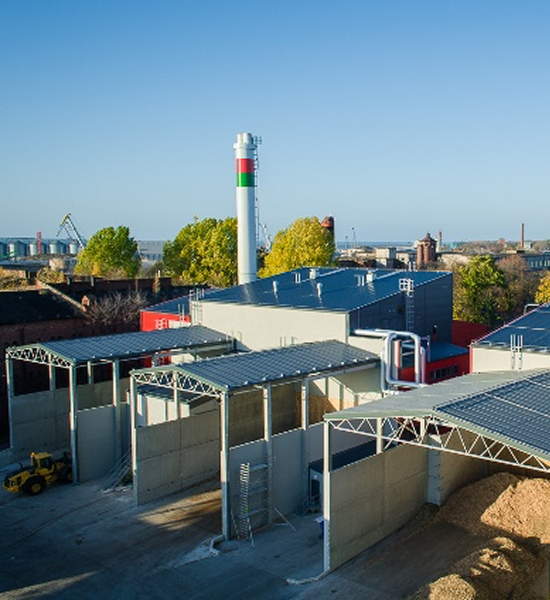
Liepāja plants
Elektrum Group owns 51 % of the share capital of Liepājas enerģija SIA. The company provides heat generation, transmission, distribution and trade in Liepāja, as well as electricity generation in cogeneration mode. Since 2025, Liepājas enerģija SIA also provides heat generation, transmission and distribution in Priekule. The company has 16 production facilities equipped with modern and efficient technologies
Aiviekste HPP
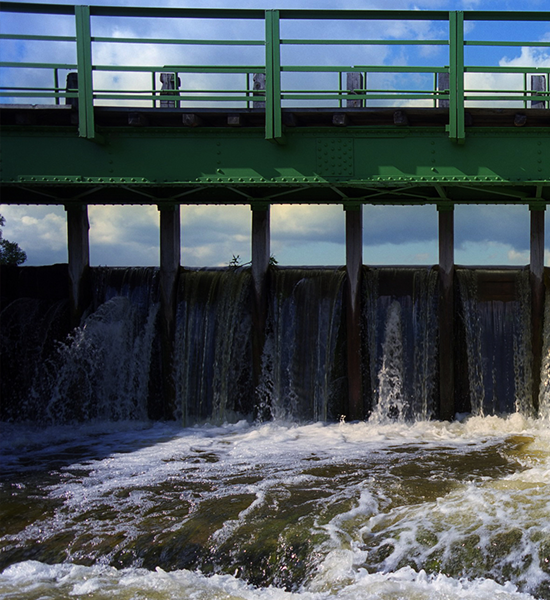
Aiviekste HPP was the first hydropower plant in Latvia, which began producing electricity as early as 1925. In 2021, an ambitious reconstruction of the hydropower plant was completed, and its capacity was increased from 0.8 MW to 1.5 MW. The connection of Aiviekste HPP to the electricity grids was also rebuilt. In 2023, Aiviekste HPP generated 4.2 GWh of electricity.
Integrated management system
An integrated management system has been implemented and certified in Elektrum Group's generation business, covering environmental management, quality management, occupational health and safety, and energy management systems. Within the quality management system, project management has also been implemented and certified in the generation business. Compliance of these systems with the requirements of the international standards ISO 14001, ISO 9001, ISO 45001 and ISO 50001 is audited and certified by an accredited certification body.
The basic principles of the integrated management system are defined in:


Quality
The Elektrum Group generation quality policy

Environment
The Elektrum Group environmental policy


Occupational safety
The Elektrum Group occupational safety policy

Energy management
The Elektrum Group energy management policy