History
Our history is the story of energy development in Latvia and the Baltics, where over the decades technological growth has gone hand in hand with responsibility for the development and future of society.
-
1939
22 December
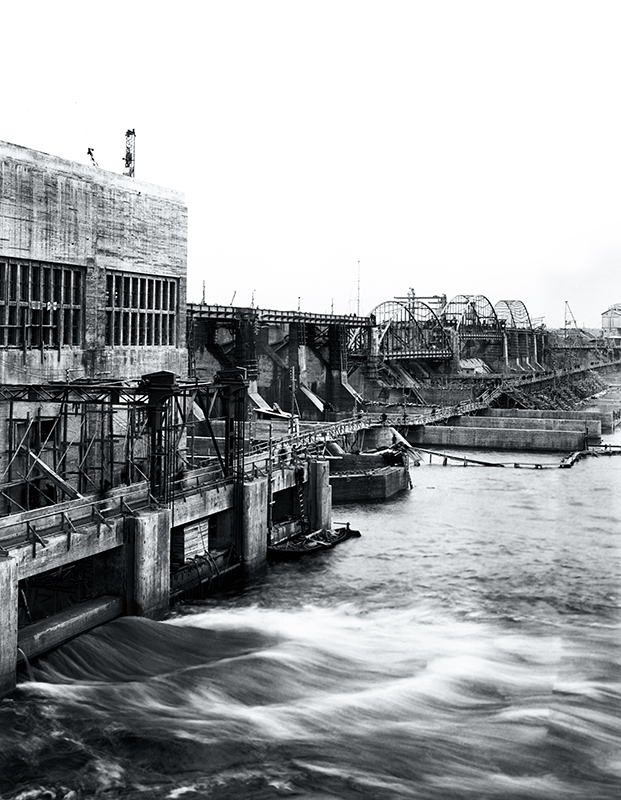
In October, the first hydropower plant on the Daugava – the Ķegums HPP – begins operation, and on 22 December the President and Prime Minister of Latvia, K. Ulmanis, signs the law on the establishment of the State Electricity Company “Ķegums” – Elektrum Group regards this date as its birthday.
-
1955
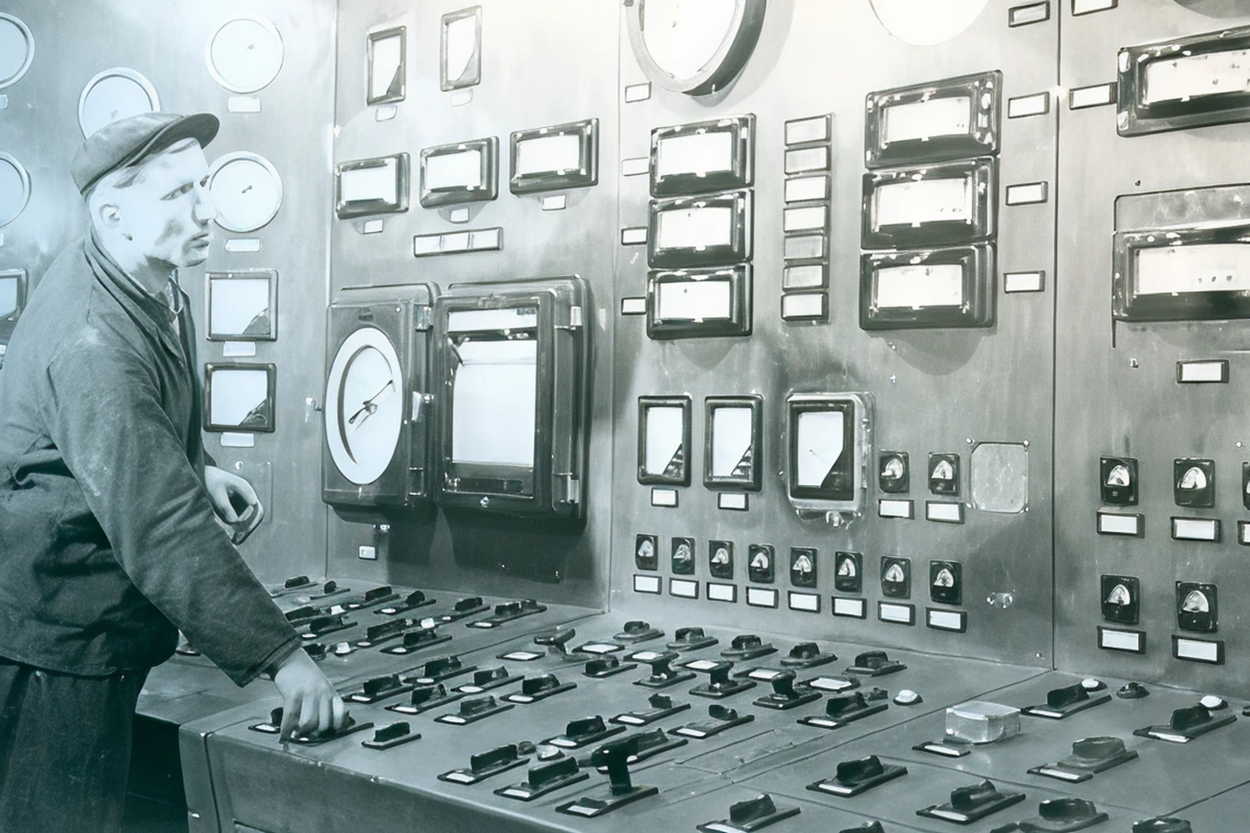
To ensure centralised heat supply to Riga during the cold months of the year, Riga CHPP-1 begins operation. Its second stage is completed in 1959, reaching an electrical capacity of 129 MW.
-
1960
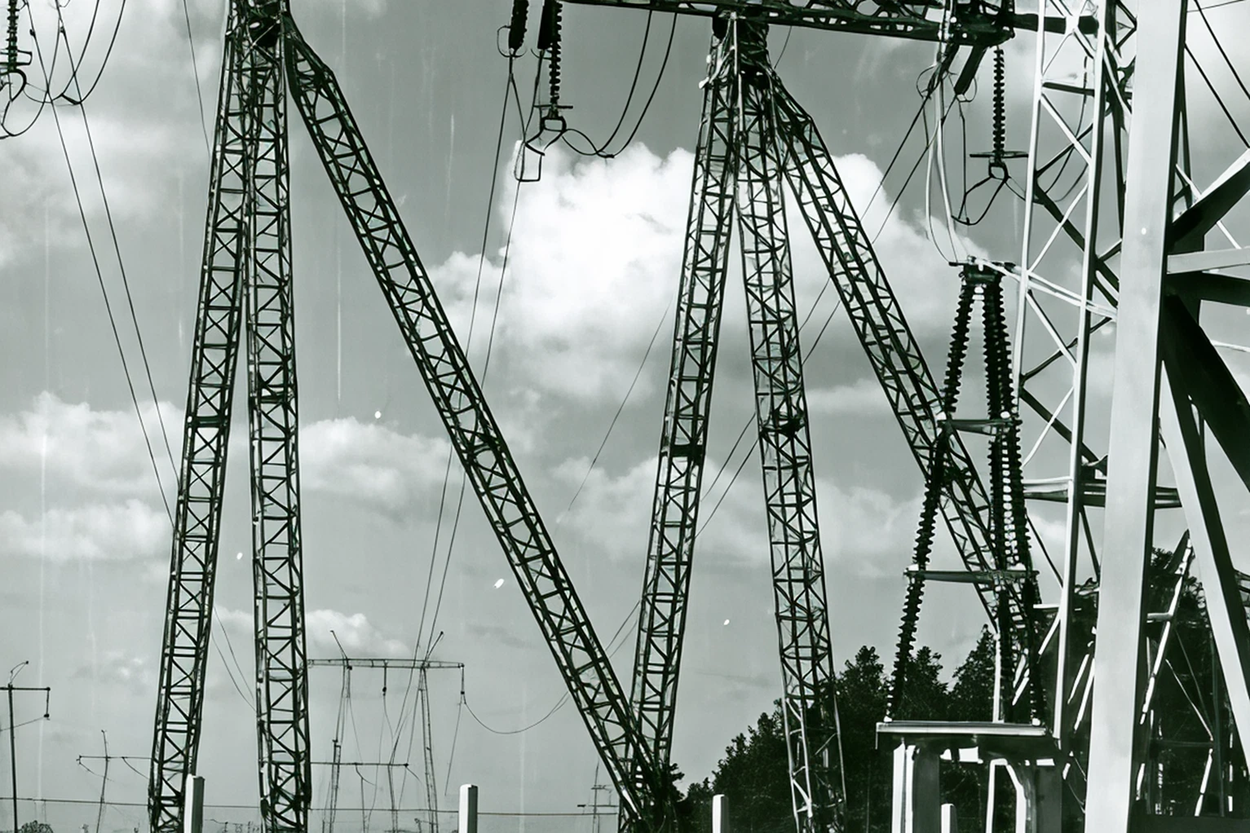
Construction of the first 330 kV electricity line from the Baltic VRES (State Regional Power Plant) in Estonia to Riga and Siauliai, with a switching substation in Salaspils, was begun. The transformation of 88 kV transmission lines for 110 kV voltage was completed.
-
1966
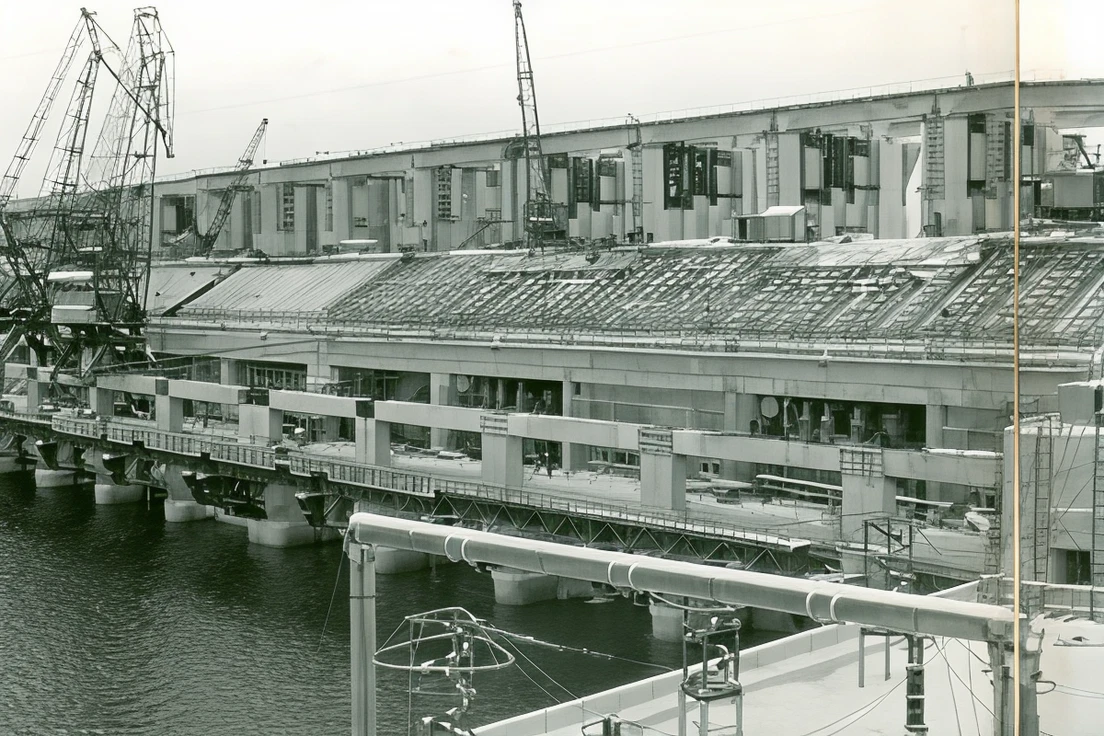
The Pļaviņas HPP with 10 hydro units reaches its design capacity of 825 MW. The power plant plays an important role in Latvia's energy supply and in ensuring stable cooperation of the Baltic region's power system.',
-
1974
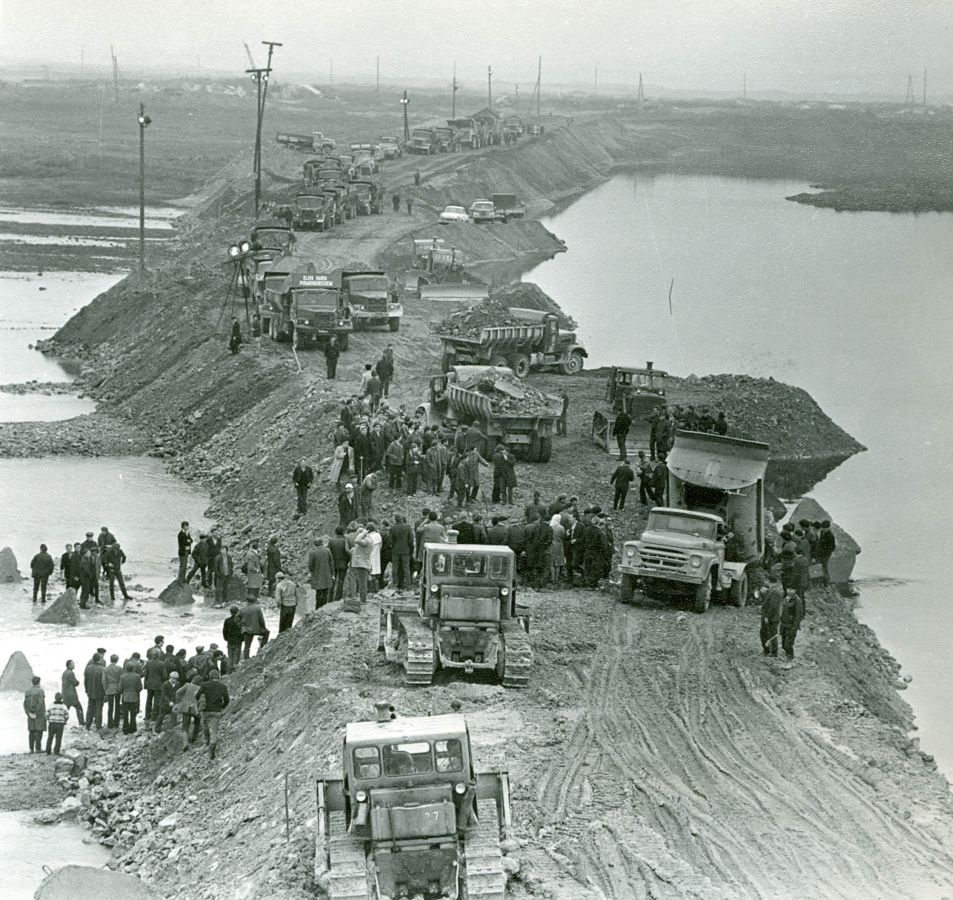
The damming of the Daugava by the Riga HES was undertaken, and in November the first hydropower unit was actuated. In 1979, the capacity of the Riga HES was increased from 384MW to 402MW.
-
1979
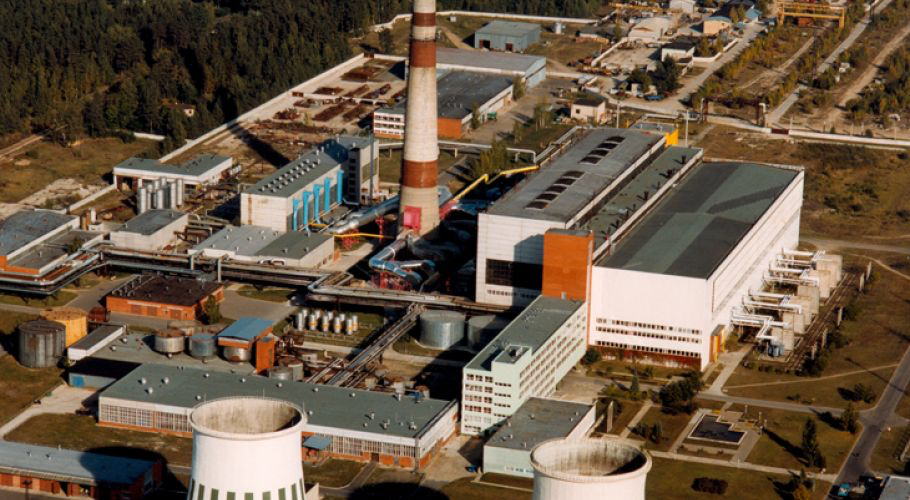
Riga CHPP-2 reaches its full design electrical capacity of 390 MW. The Ķegums HPP-2 with a capacity of 192 MW begins operation.
-
1989
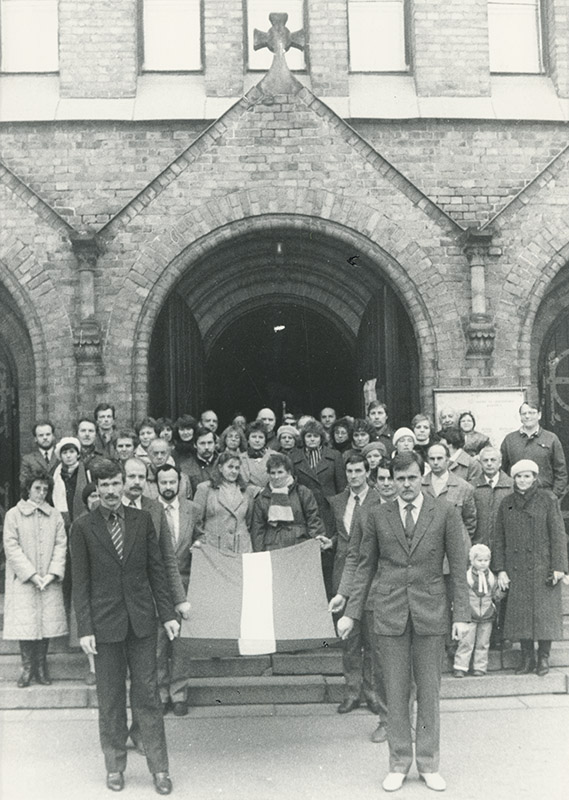
The Latvenergo production association is established – Latvia's power industry returns to the jurisdiction of Latvian institutions. The red-white-red flag is solemnly raised at the Latvenergo building on P. Brieža Street in Riga.
-
1992
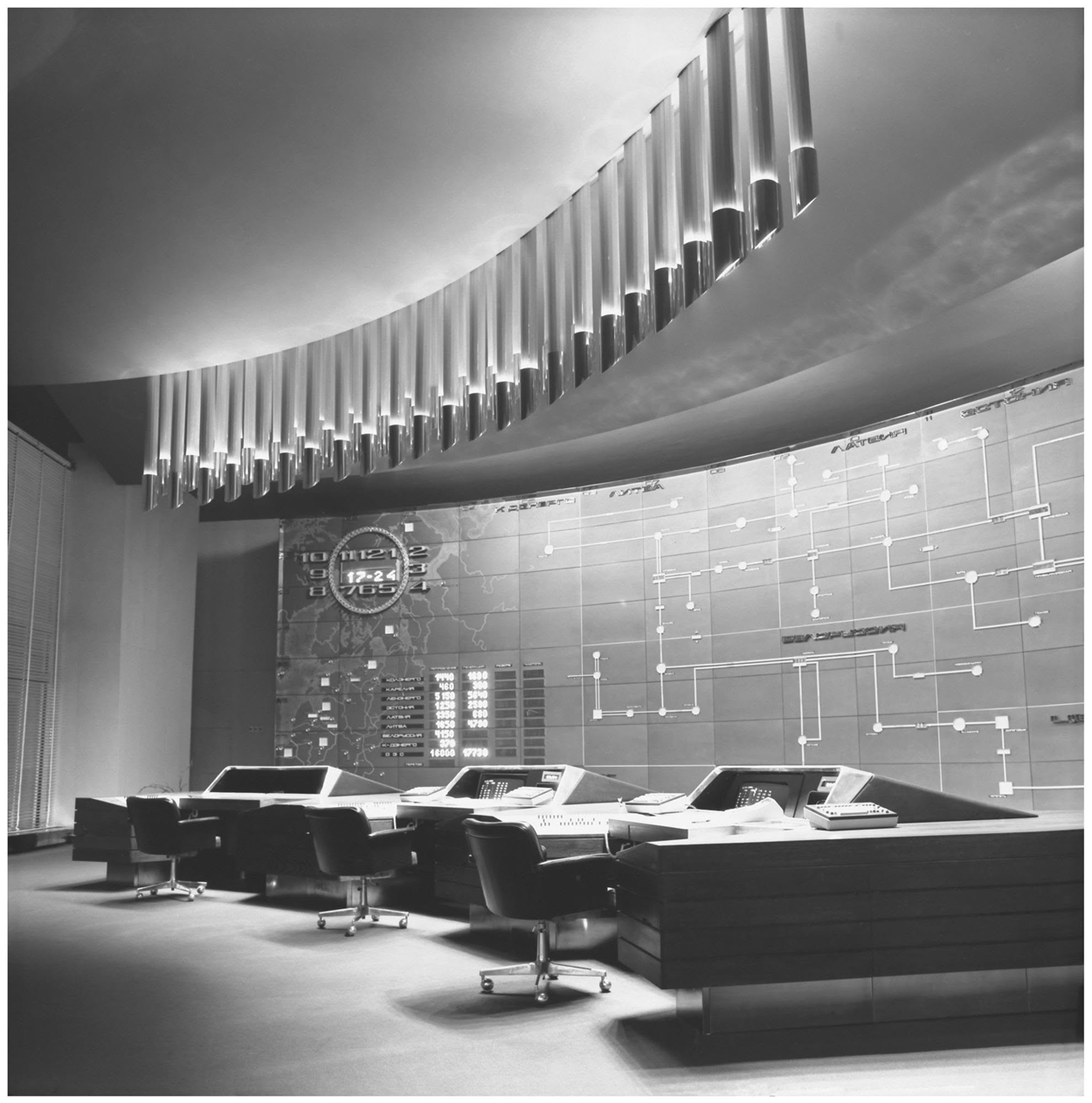
The Baltic states' power systems association is established, with the coordination centre Baltija Dispatch Centre (DC) in Riga.
-
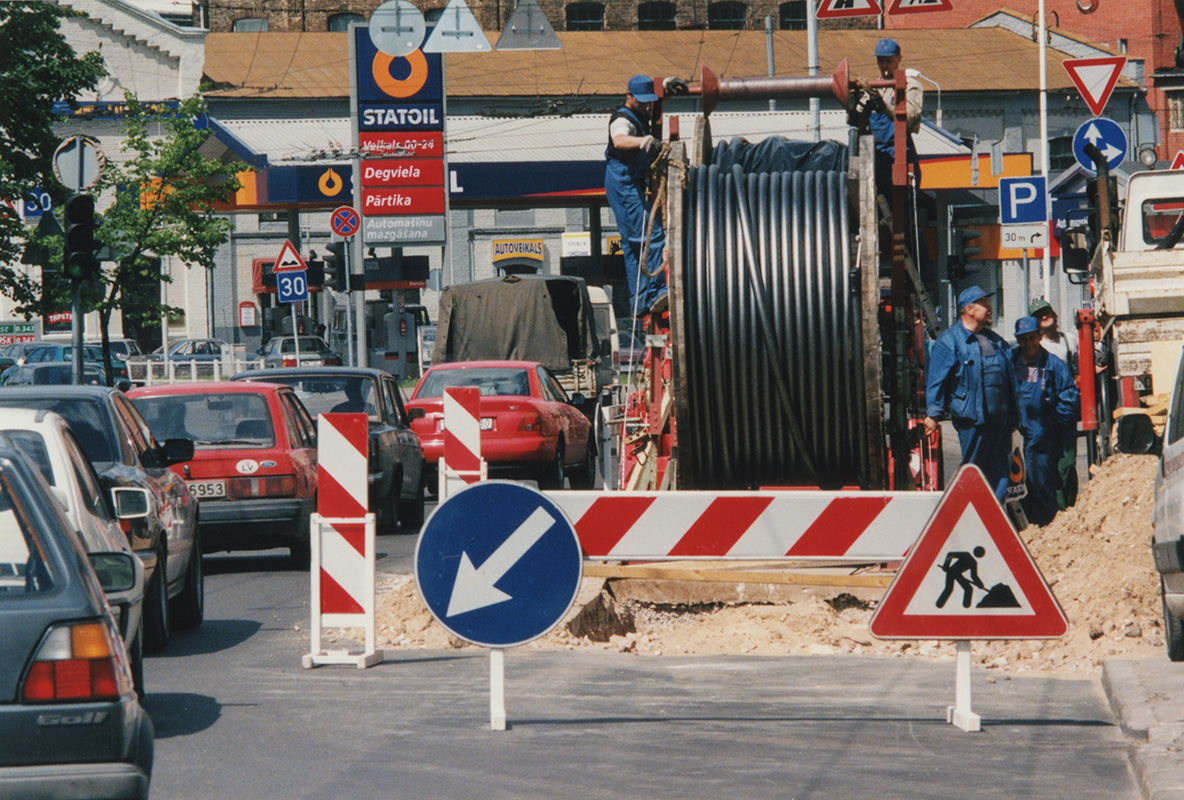
1996
The Baltic states' power systems association is established, with the coordination centre Baltija Dispatch Centre (DC) in Riga.
-
1998
Latvenergo becomes a corresponding member of the electricity supplier group EUROELECTRIC. 17 energy companies from the Baltic Sea region countries form the Baltic Ring Electricity Cooperation association.

-
2001
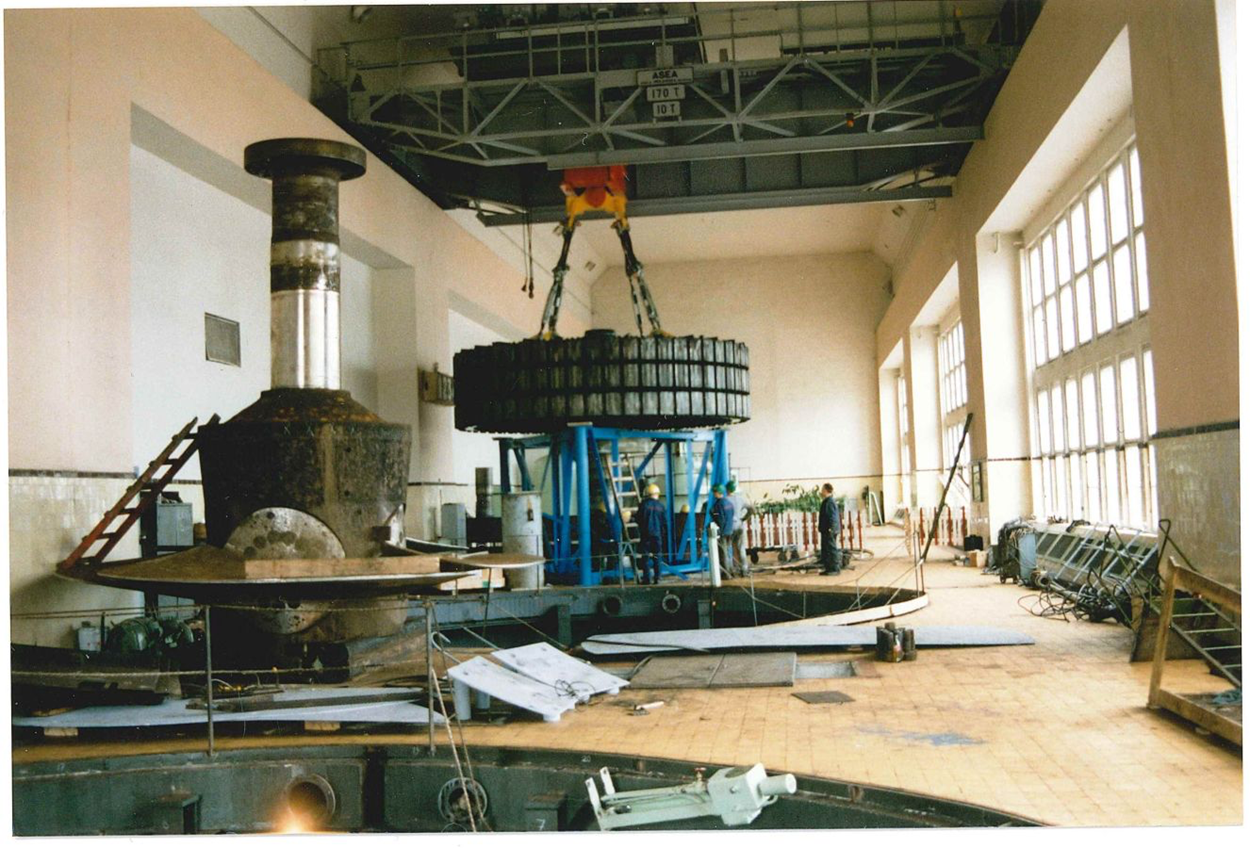
The reconstruction of the Ķegums HPP-1 is completed. The first major reconstruction project in the history of the Pļaviņas HPP is concluded, with the reconstruction of 6 hydro units.
-
2005
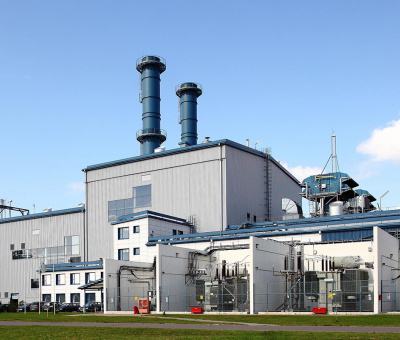
The reconstruction of Riga CHPP-1 is completed with the construction of an environmentally friendly combined-cycle power unit. The plant's capacity increases to 142 MW.
Liepājas enerģija SIA is established as a producer, transmitter and seller of electricity and heat in the Liepāja region. Latvenergo owns 51% of the shares of the newly established company.
-
2006
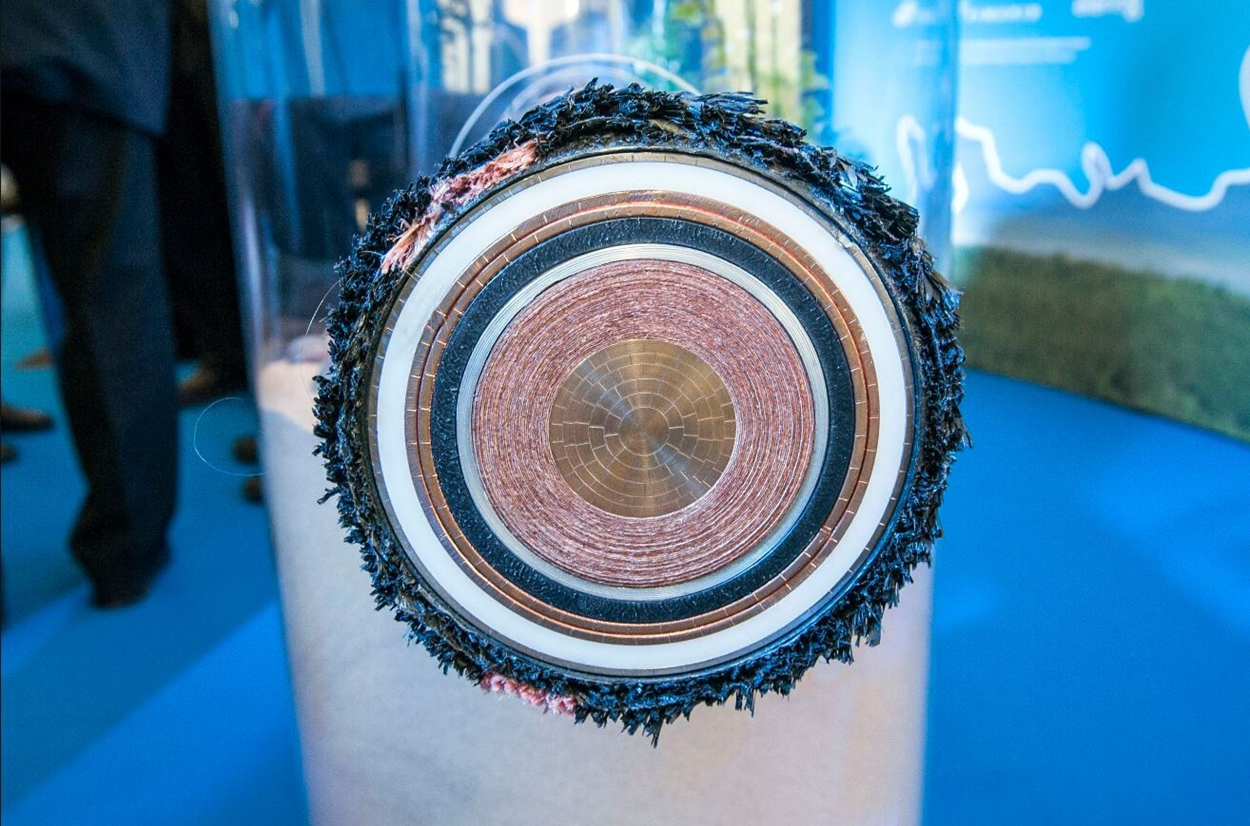
The submarine cable Estlink – the first Baltic–Nordic power interconnection – is solemnly opened in Tallinn. Latvenergo, Eesti Energia, Pohjolan Voima, Helsinkin Energia and Lietuvos Energia take part in the project.
Latvenergo AS signs an agreement with the Scandinavian power exchange Nord Pool Spot AS. Latvenergo AS is the first Baltic energy company to become a direct participant of the power exchange.
-
2007
Latvia opens the free electricity market to all electricity users.
Latvenergo AS establishes a subsidiary in Estonia.
A legally independent distribution system operator – Sadales tīkls AS – begins operation.
-
2008
Latvenergo Group introduced a new logo.
The construction of the electricity network for historically non-electrified rural homes in Latvia is completed.
Latvenergo AS founded a subsidiary in Lithuania.
-
2009
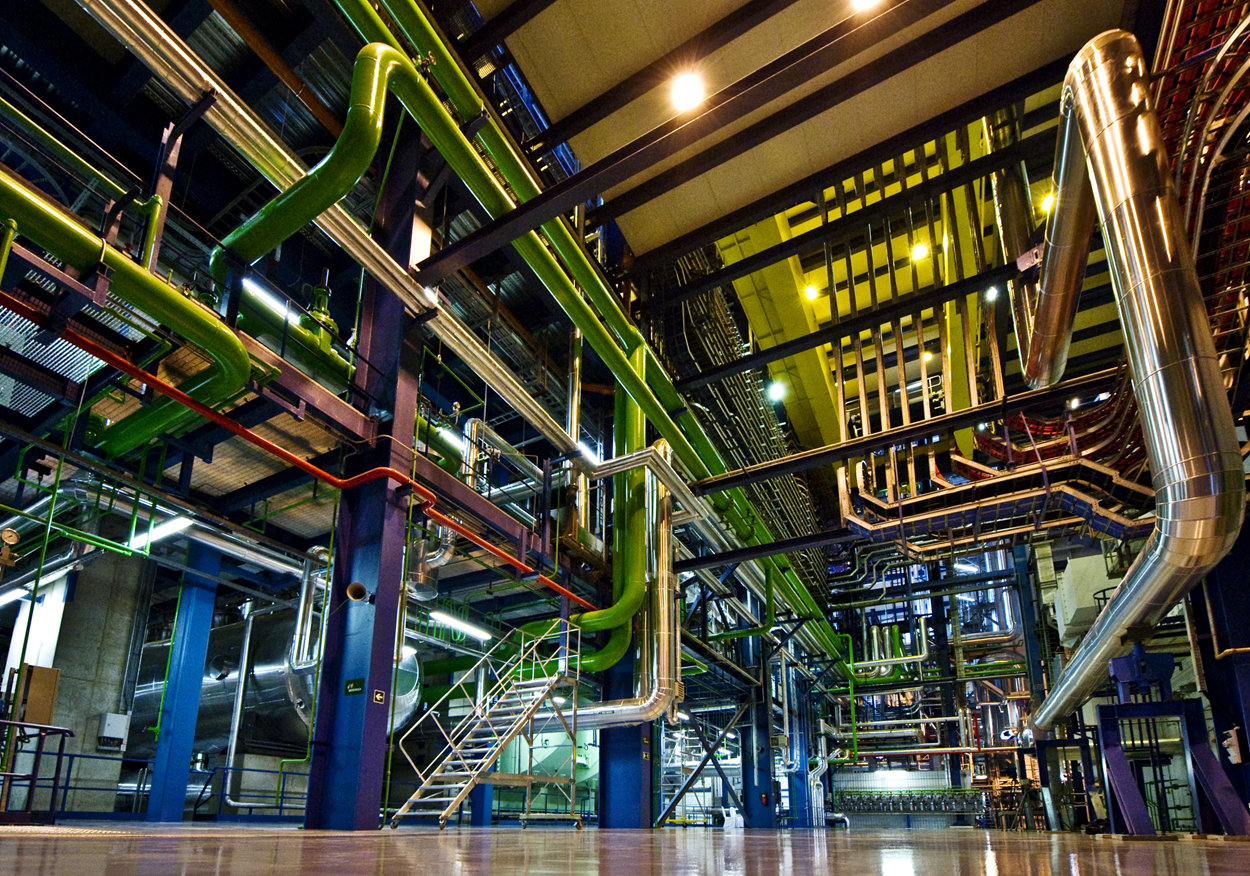
The first reconstructed power unit of Riga CHPP-2 is solemnly opened – the most modern electricity and heat plant in the Baltics. The capacity of Riga CHPP-2 is 662 MWel, 1 347 MWth.
-
2012
The first reconstructed power unit of Riga CHPP-2 is solemnly opened – the most modern electricity and heat plant in the Baltics. The capacity of Riga CHPP-2 is 662 MWel, 1 347 MWth.

-
2013
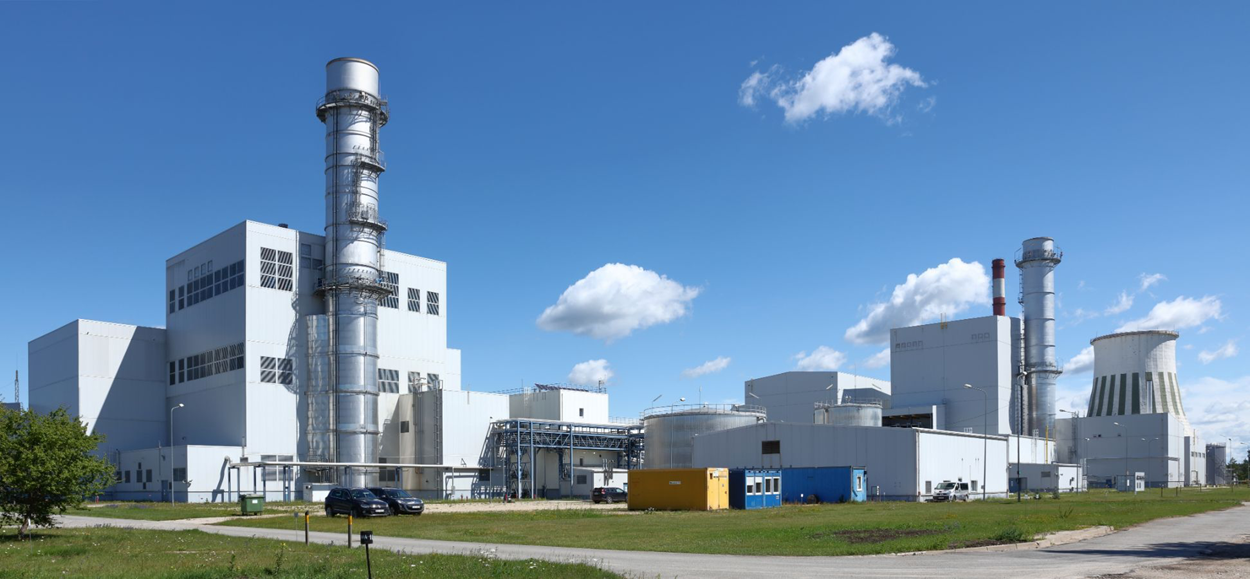
The second power unit of Riga CHPP-2, the most modern and efficient cogeneration plant in the Baltics, is commissioned. After reconstruction, the total capacity of CHPP-2 is about 832 MWth and its heat capacity is about 1120 MWth.
-
2014
On 25 February, Latvenergo AS establishes the subsidiary Enerģijas publiskais tirgotājs AS (EPT), which from 1 April performs the duties of the public trader and carries out the mandatory procurement of electricity.

-
2015
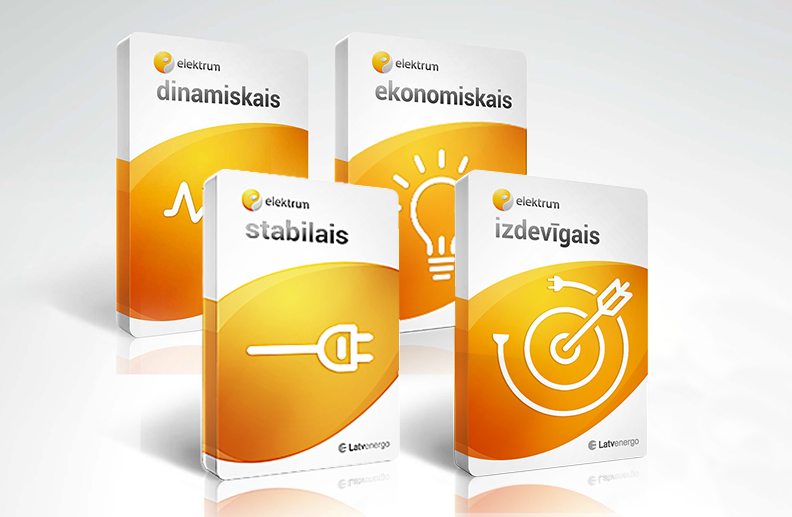
In January, the electricity market in Latvia is fully opened – users can freely choose their electricity trader. Latvenergo AS offers the Elektrum product line on the market.
The international credit rating agency Moody’s Investors Service upgrades the credit rating of Latvenergo AS from Baa3 to Baa2. In its credit risk assessment, the international credit rating agency points to the importance of Latvenergo AS for the Latvian economy.
-
2017
On 26 May, Latvenergo AS started natural gas trade to customers in Latvia and Estonia.
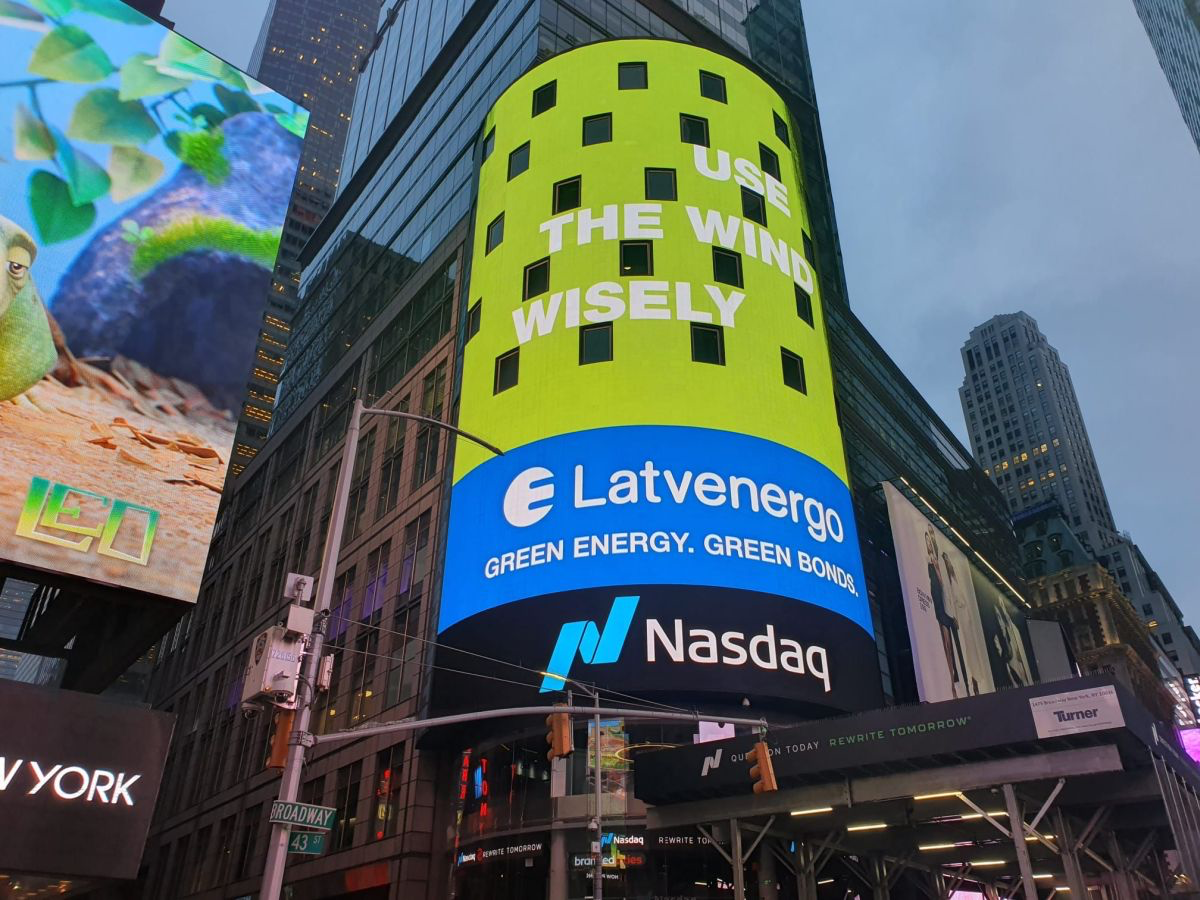
On 14 August, representatives of Latvenergo AS rang the traditional trading session opening bell at Nasdaq exchange in New York. This tradition is entrusted to those companies which have demonstrated outstanding achievements in their operations: Latvenergo is the first company in the Baltics to receive the Nasdaq exchange award for the Best Investor Relations among Bond Issuers.
-
2018
Dry and hot weather in Europe causes an unexpected rise in electricity prices. Latvenergo Group, using the advantages of its diversified power plants, generates in its CHPP plants the historically largest amount of electricity – 2.6 TWh.
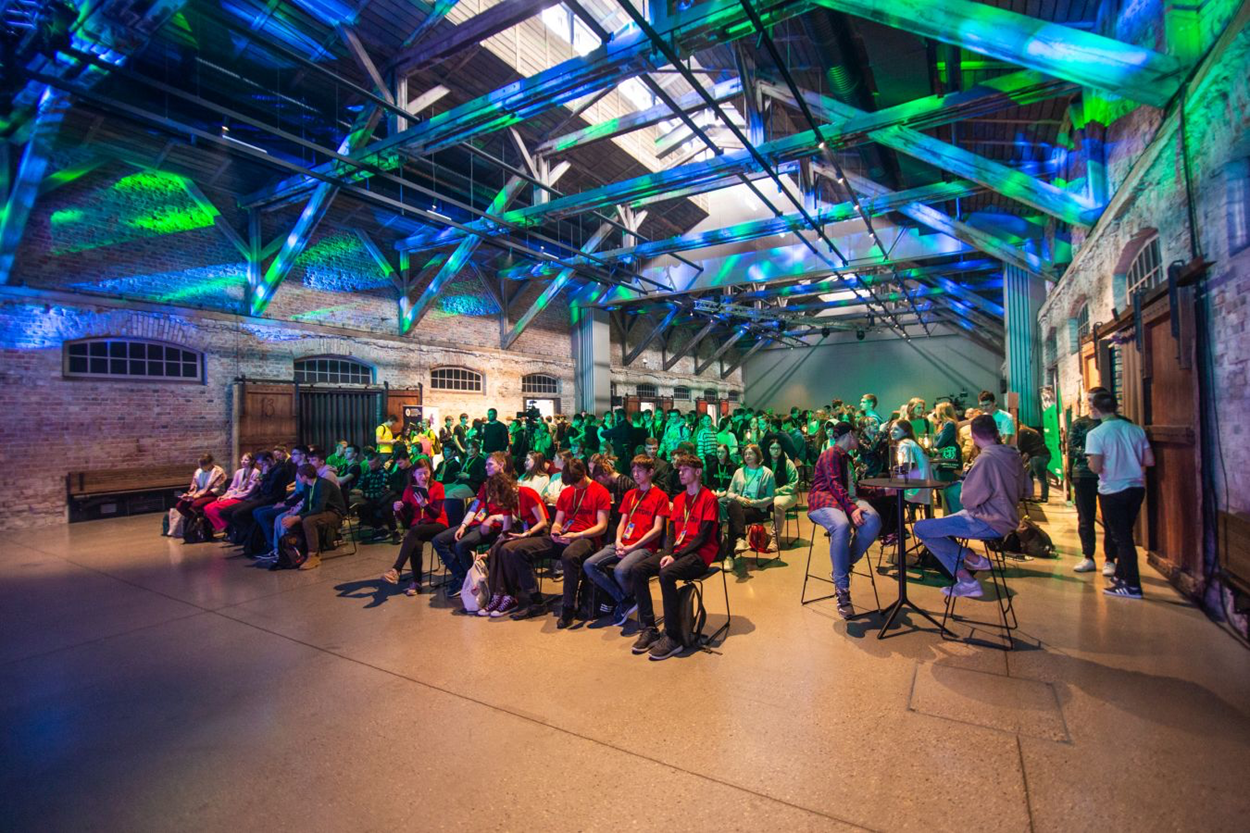
To promote young people's interest in the exact sciences, Latvenergo organises the first physics festival in Latvia, which attracts more than 2000 visitors and organisations.
-
2019
The Elektrum trade brand of Latvenergo AS starts operating on the natural gas market for Latvian households.
Elektrum opens the first electric car charging stations, thus extending its activities into new markets in the sector.
Latvenergo marks its 80th anniversary, recalling the company's historical beginning, when the law on the establishment of the State Electricity Company "Ķegums" was signed at Riga Castle.

-
2020
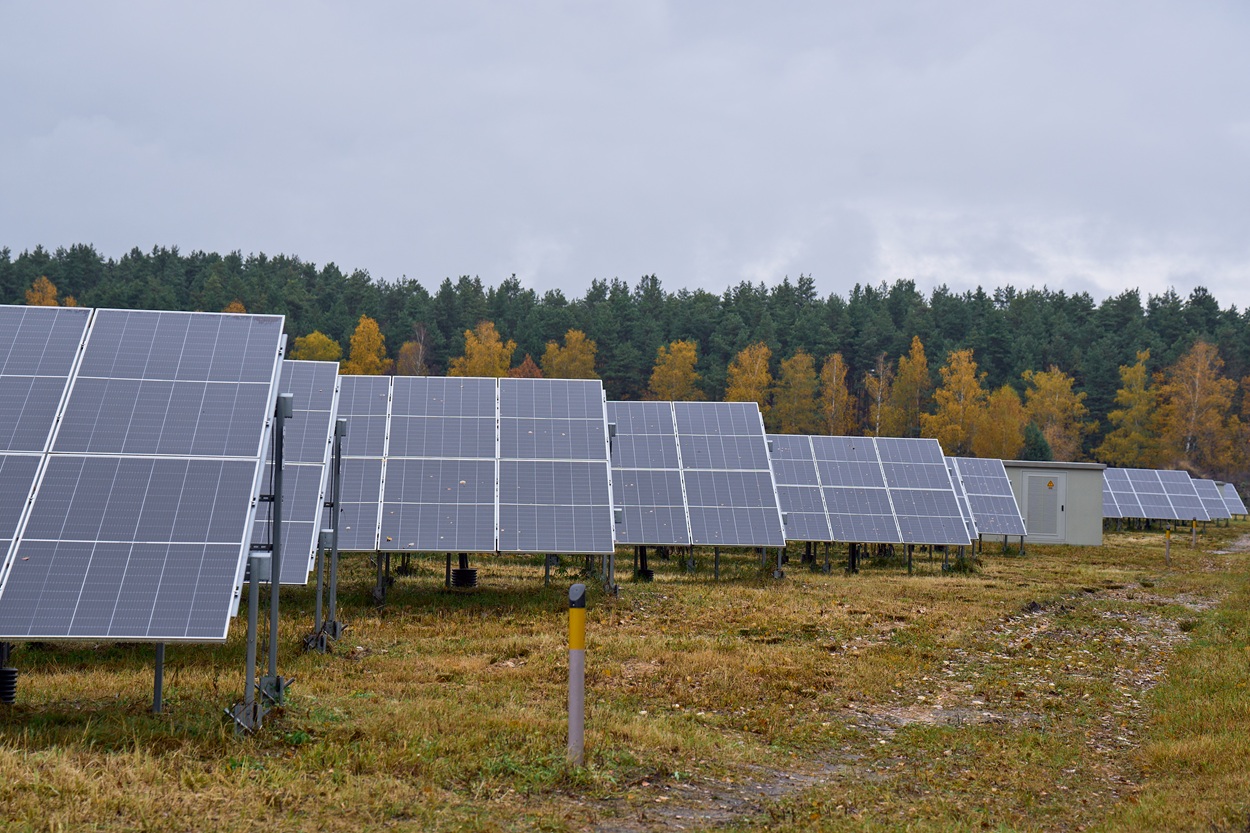
Elektrum strengthens its position in the solar panel market in the Baltics and starts to sell electricity to Lithuanian households
Continuing to develop electromobility - Elektrum provided 36 electric car charging ports
On 10 June transmission system assets have been unbundled from Latvenergo Group
-
2021
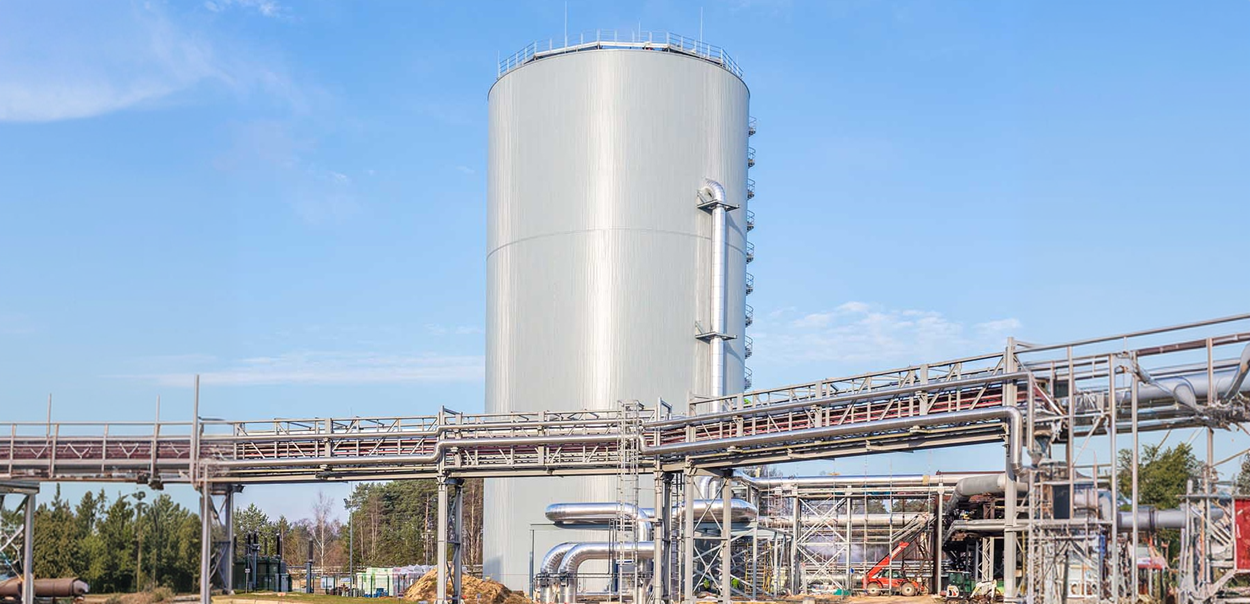
In March, the CHPP-2 heat accumulation tank is commissioned, the largest project of its kind in the Baltics. It provides heat accumulation, savings of primary energy resources and a reduction in CO₂ emissions.
The first Elektrum solar park in Lithuania with a capacity of 1.5 MW is commissioned.The strategy of Latvenergo Group for 2022-2026 has been developed.
-
2022
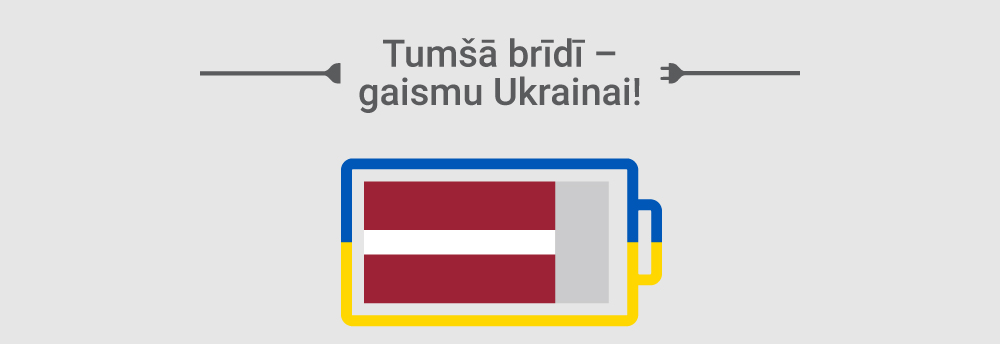
Group companies have provided both technical and financial support for the restoration of Ukraine's power system. A three-phase 110 kV transformer, 49 Sadales tīkls AS transformers and 10 quad bikes have been delivered to Ukraine. Employees have donated money for the purchase of external batteries and taken part in making trench candles, and have also helped coordinate the arrival and accommodation of Ukrainian energy workers' families in Latvia
Latvenergo AS was awarded the highest - Diamond category for the first time in the Latvian Sustainability Index
-
2023
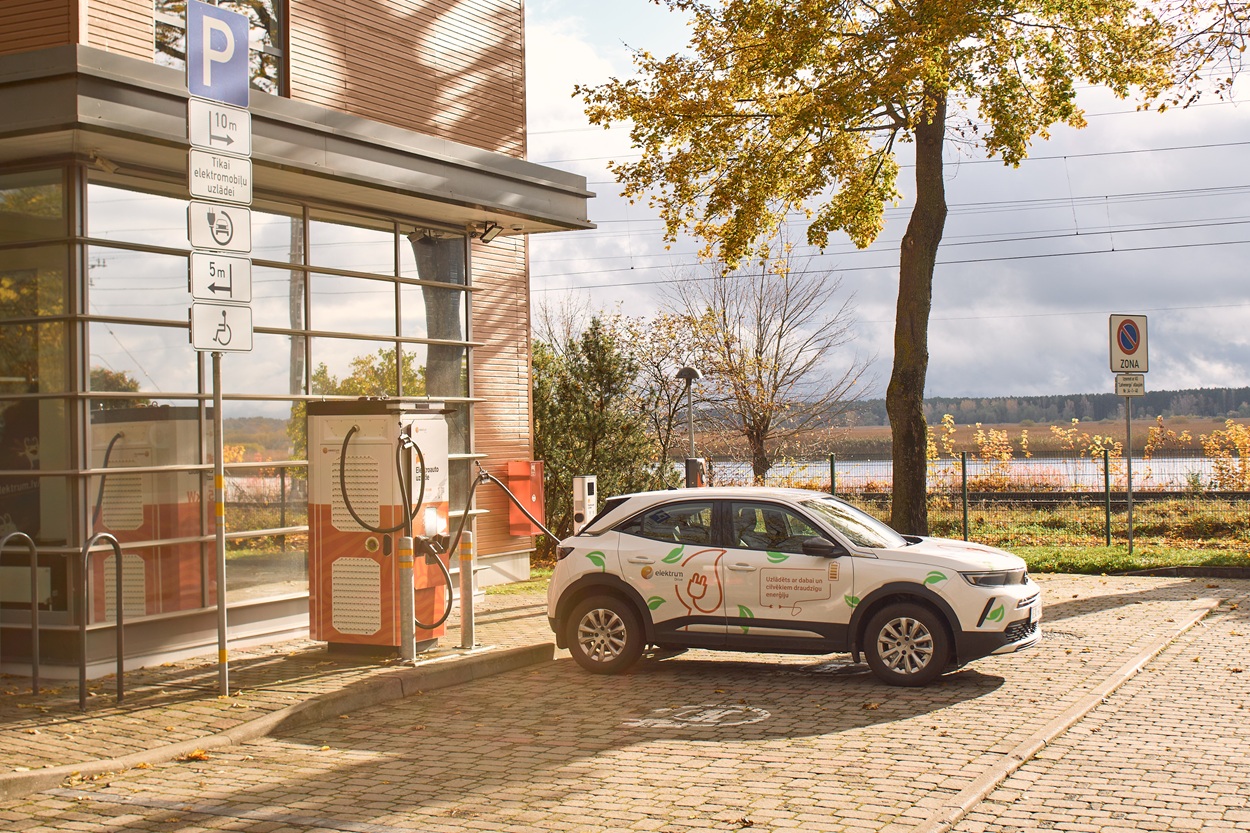
Elektrum Drive EV charging network is becoming the most extensive in Latvia, and it is also growing rapidly in Lithuania and Estonia. In total, around 600 charging points are available to customers.
The Sustainability Strategy of the Group for 2024-2026 was approved and complements the medium-term operational strategy with objectives and targets in environmental, social and governance areas.
-
2024
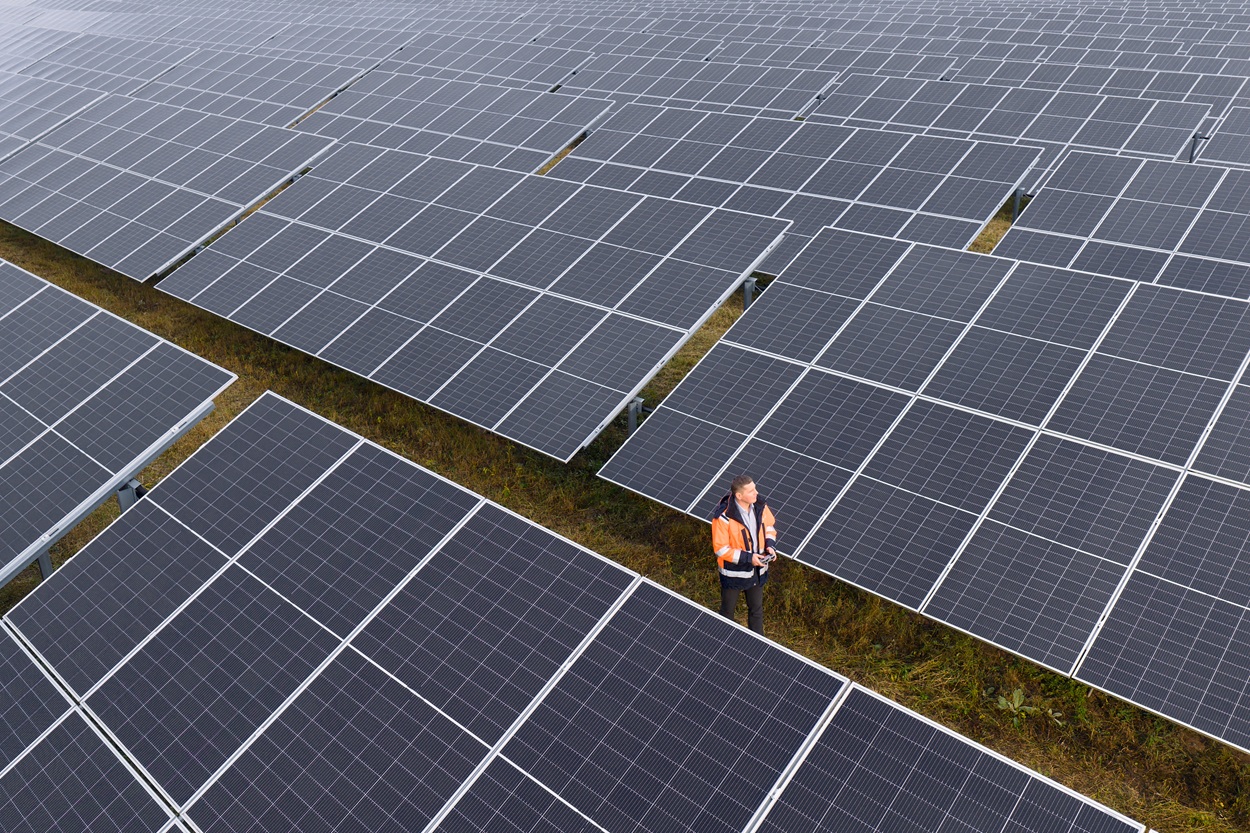
EUR 530 million invested, 2/3 of investments in new wind and solar generation capacity. In 2024, Latvenergo AS acquired two wind farm projects – Telšiai in Lithuania (124 MW) and Laflora Energy SIA in Latvia (109 MW). Both wind farms plan to start electricity generation in 2026. The Akmenė wind farm (19.6 MW) in Lithuania has started operation. New solar capacity is also being successfully developed – Latvenergo AS has acquired DSE Aizpute Solar SIA in order to build the largest solar power plant to date (265 MW) by the end of 2025. At the end of 2024, Latvenergo Group had a total of 14 solar parks with an installed capacity of 102.2 MW
Elektrum Next SIA, 100% owned by Latvenergo AS, has been established and commenced its work. The establishment of Elektrum Next separates new RES assets from the Group’s other business functions, concentrating the Group’s RES competencies and accelerating the development of new projects in Latvia, the Baltic states and the region
-
2026
Elektrum Group is renewing the logo, visual identity and slogan of the Baltic trade brand Elektrum. Since Elektrum was founded in 2012, the brand has strengthened customer recognition and is now being renewed to pursue the Group's development ambitions, international growth and future energy challenges. The new identity unites Elektrum's operations in all the Baltic states under a single symbol recognisable to everyone – amber.