Wind farm development
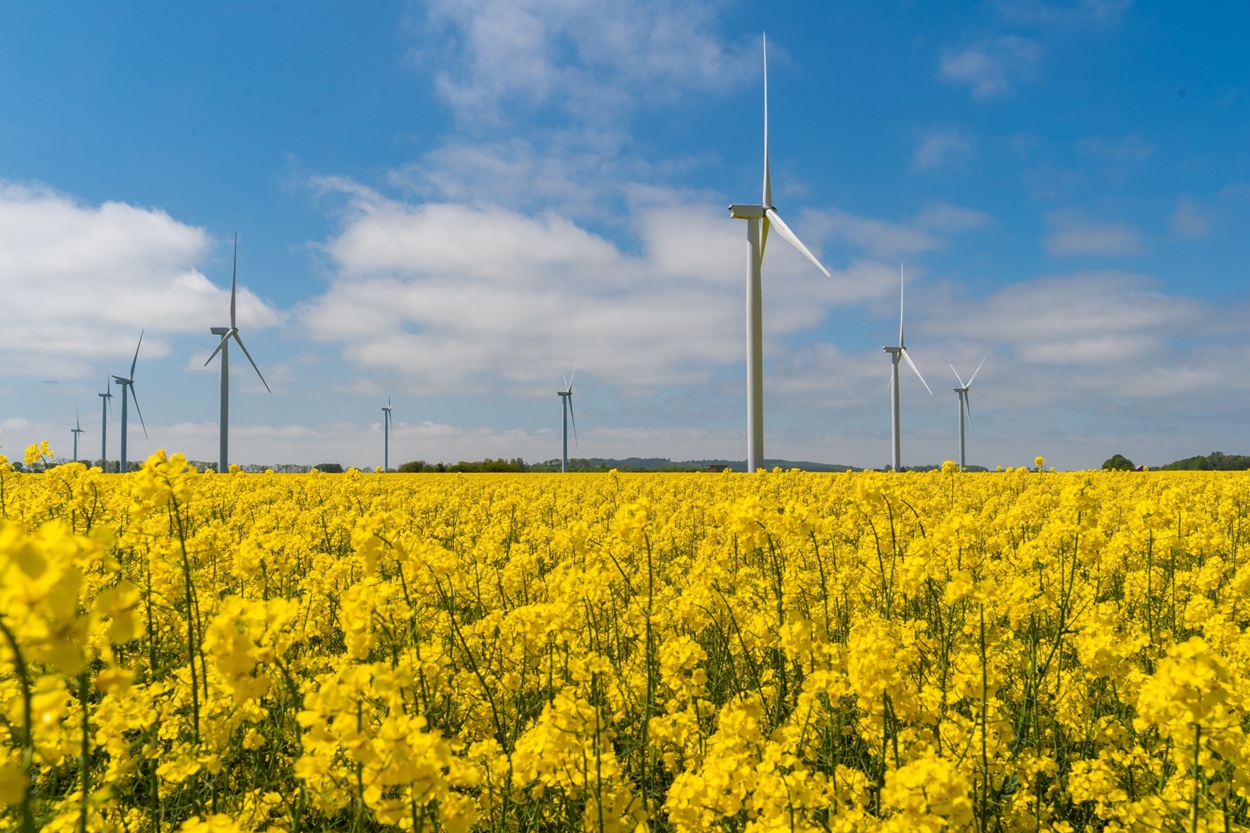
Elektrum Group develops wind energy projects, strengthening the share of renewable energy resources, promoting energy independence and ensuring sustainable electricity generation for the future.
Strategy
To help achieve national climate goals and strengthen energy security, Elektrum Group is increasing its renewable generation portfolio, focusing on the development of high-capacity wind power plants. The independence of the Baltics and Latvia from external energy resources is one of the most important pillars of national security and sovereignty.
Wind energy is currently one of the most cost-effective solutions, especially now that Latvia and the Baltics are experiencing a capacity deficit that affects prices on the electricity market. With new wind power plants, it is possible in Latvia too to generate competitive, green and environmentally friendly electricity profitably and without subsidies. The development of high-capacity wind farms can be considered a project to be implemented in the interests of the Latvian state and society as a whole.
Elektrum Group is one of the leading energy producers in the Baltics, a stable company that investors can trust, working to achieve national energy and climate goals. The company has the experience, the necessary resources and the competence to implement projects and to attract the cheapest financing for them.
Operating principles
We work for the benefit of Latvia
We are a state-owned company, and the implementation of projects benefits society as a whole
We are responsible towards society
We provide financial benefits to municipalities and involve local communities already in the planning process
We respect the environment
We cooperate with environmental organisations and follow recommendations and set environmental requirements
We choose suitable solutions
When selecting technologies, we choose solutions that are suitable for the surrounding environment and society
Wind farm projects
Elektrum's wind farm development extends beyond Latvia's borders. Together with regional partners, we are implementing strategically important projects in Latvia and Lithuania that strengthen the energy independence and renewable energy portfolio of the entire Baltic region.
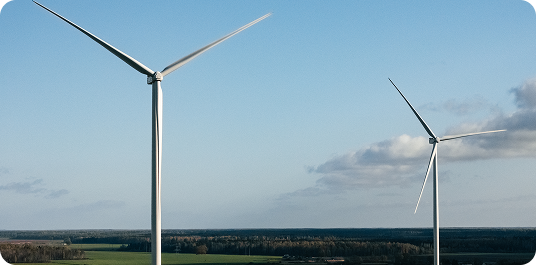
In order to work together on the development of strategically important wind energy projects, on 22 July 2022 a joint venture, Latvijas vēja parki SIA, was established by Latvenergo AS and Latvijas valsts meži AS. In accordance with a decision of the Cabinet of Ministers, in April 2024 Latvenergo AS became the owner of 100% of the shares of Latvijas vēja parki SIA (LVP). Using the company's long-standing experience and resources, it is planned to add at least 800 MW of renewable energy to Latvenergo AS's overall electricity generation portfolio, which together make up approximately 130 modern wind turbines across Latvia.
The company's task is to design, build and operate wind farms in Latvian state forest areas, promoting flexibility in electricity generation and the state's energy independence. The projects will be implemented in accordance with rational market principles, without any financial state support mechanisms.
For more information about these wind farm projects, see the LVP website: https://vejaparki.lv/lv
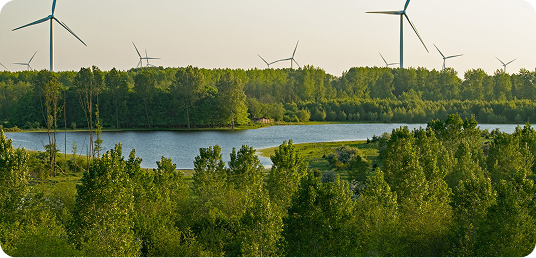
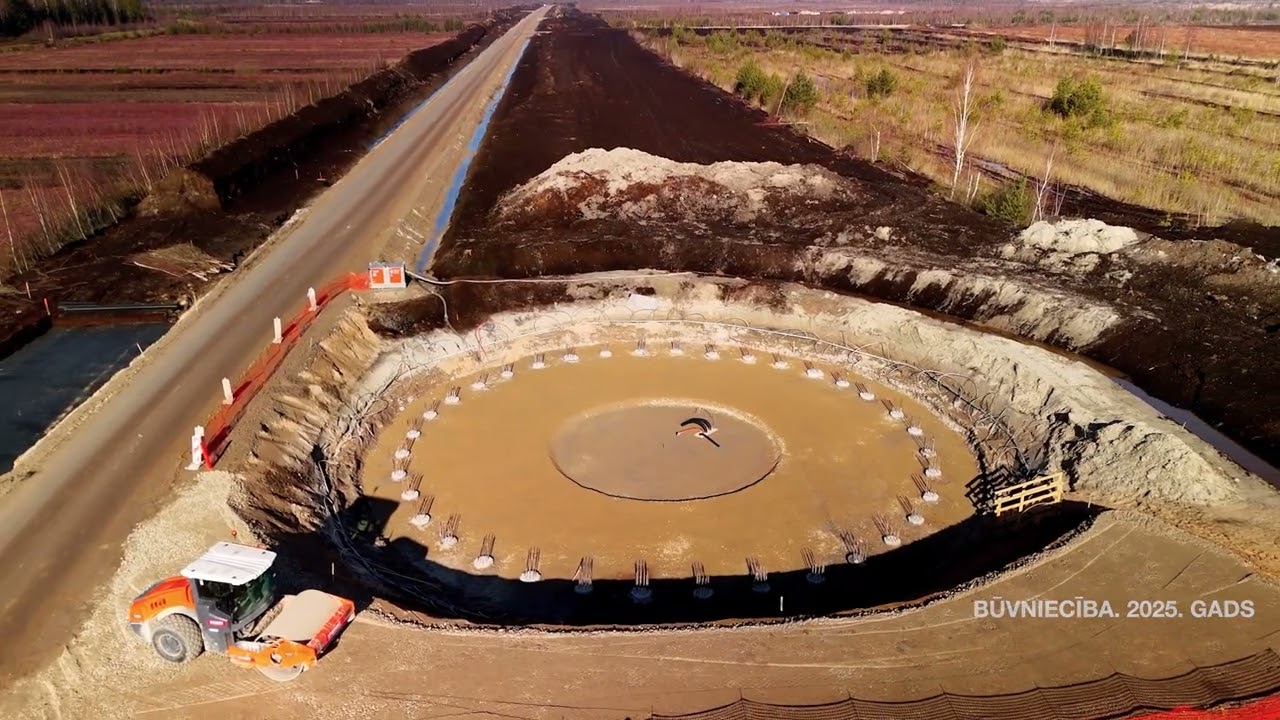
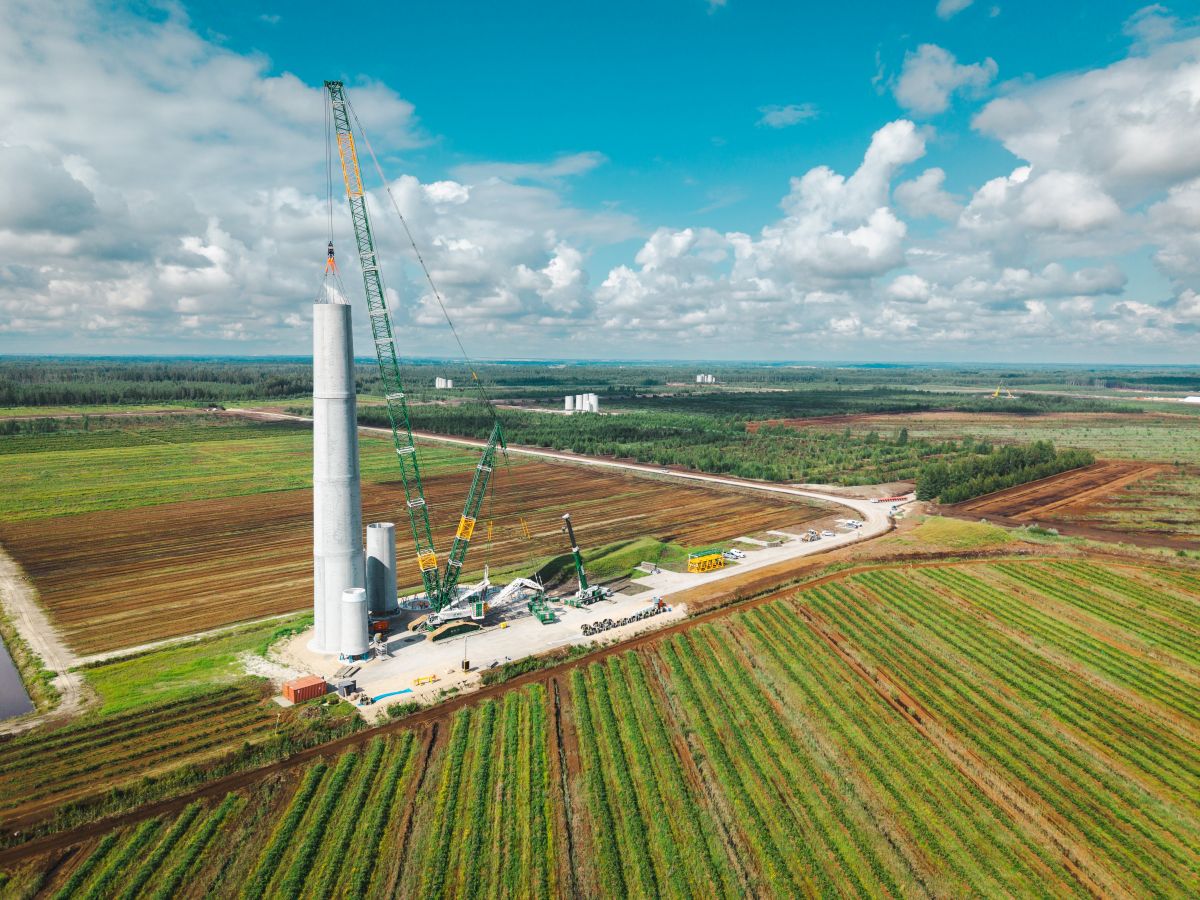
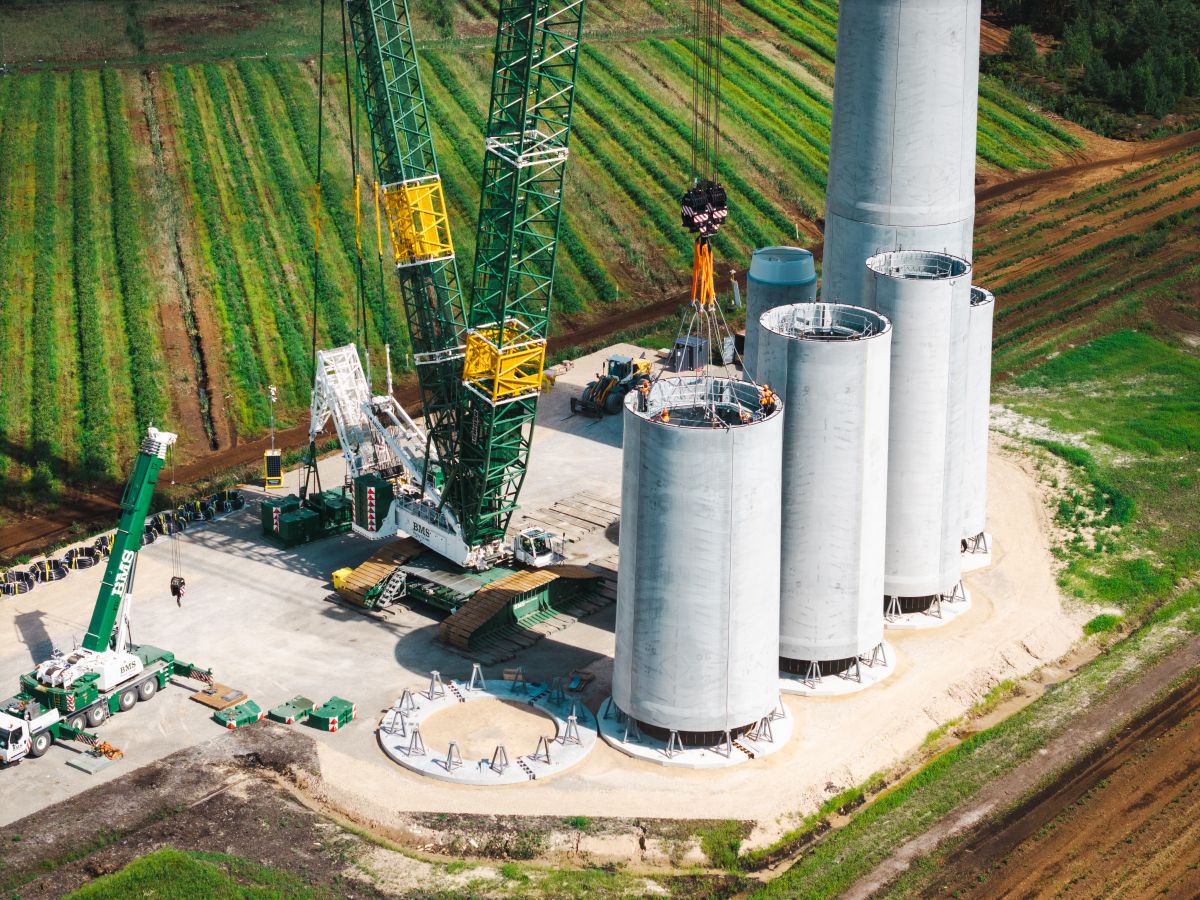
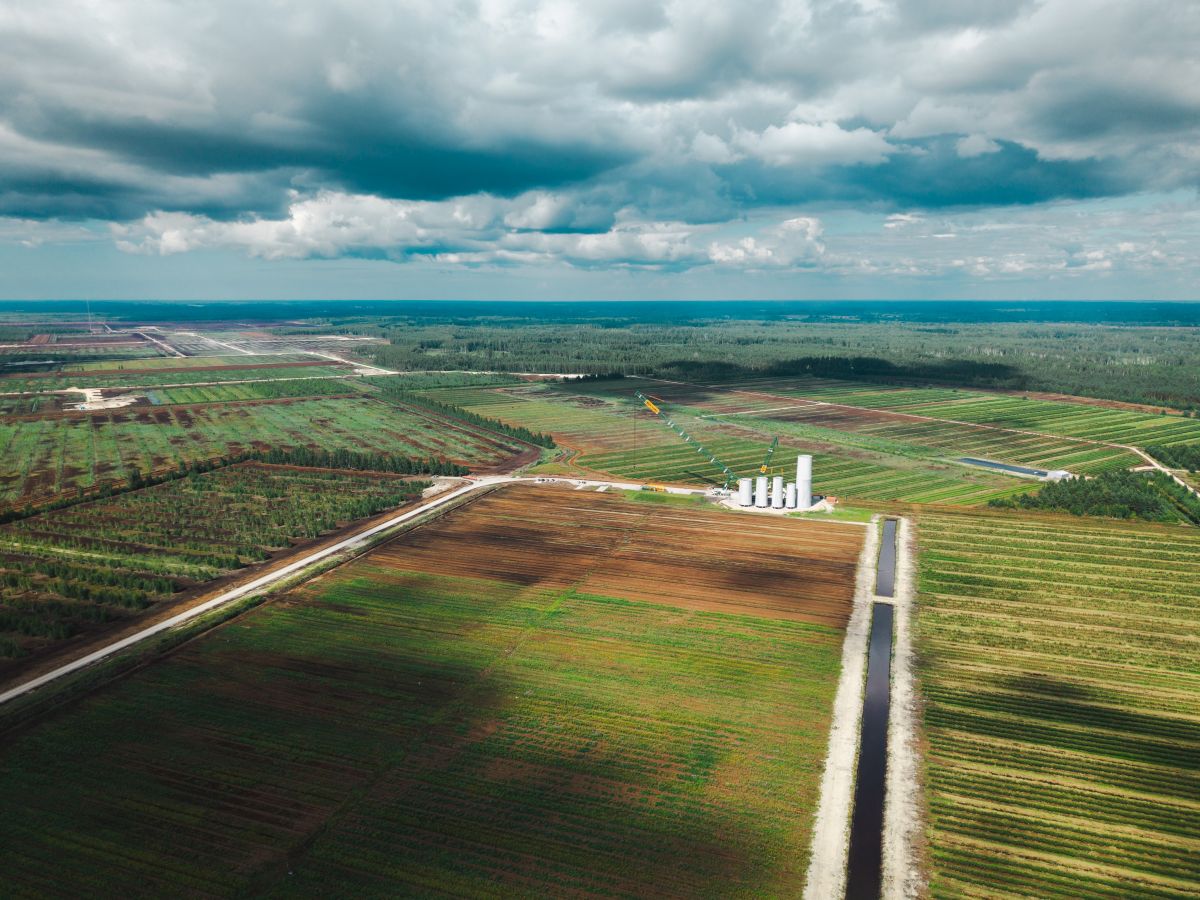
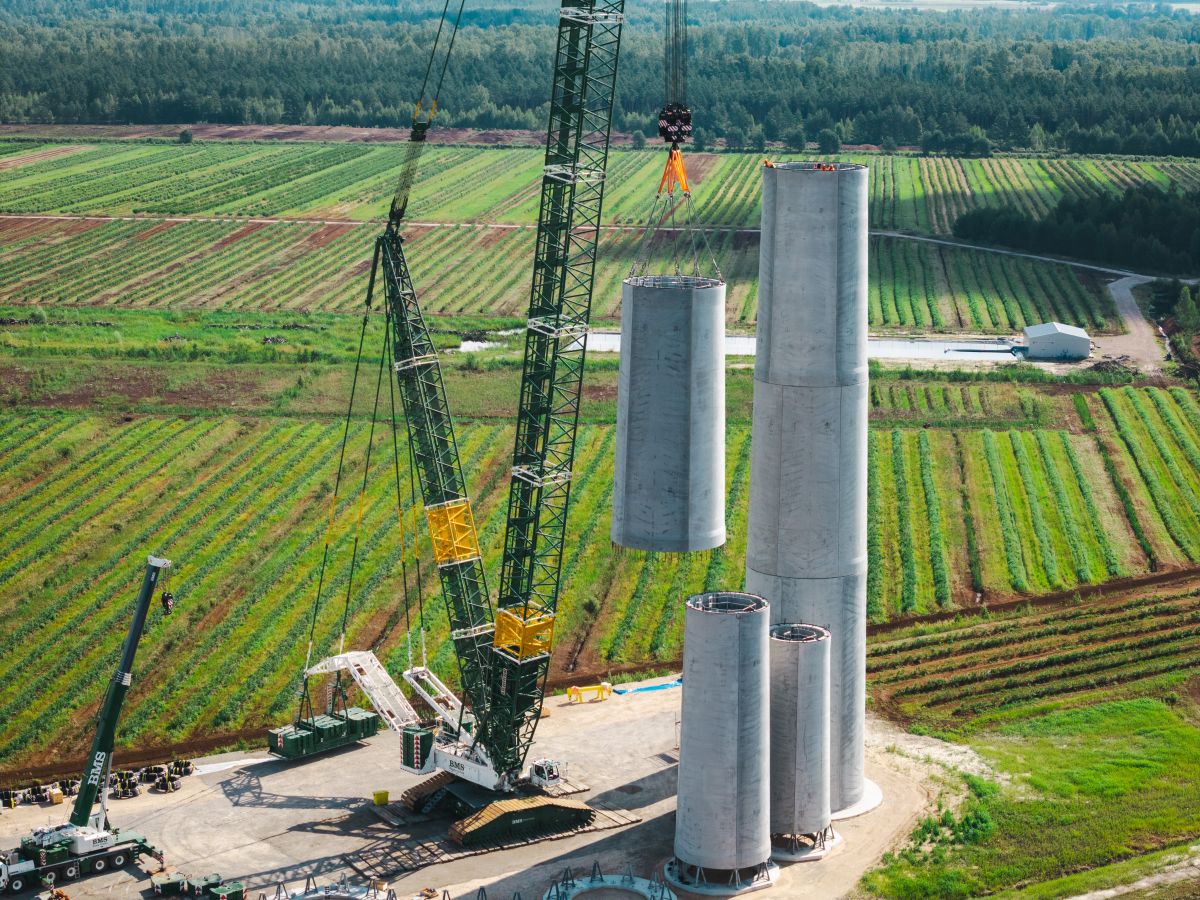
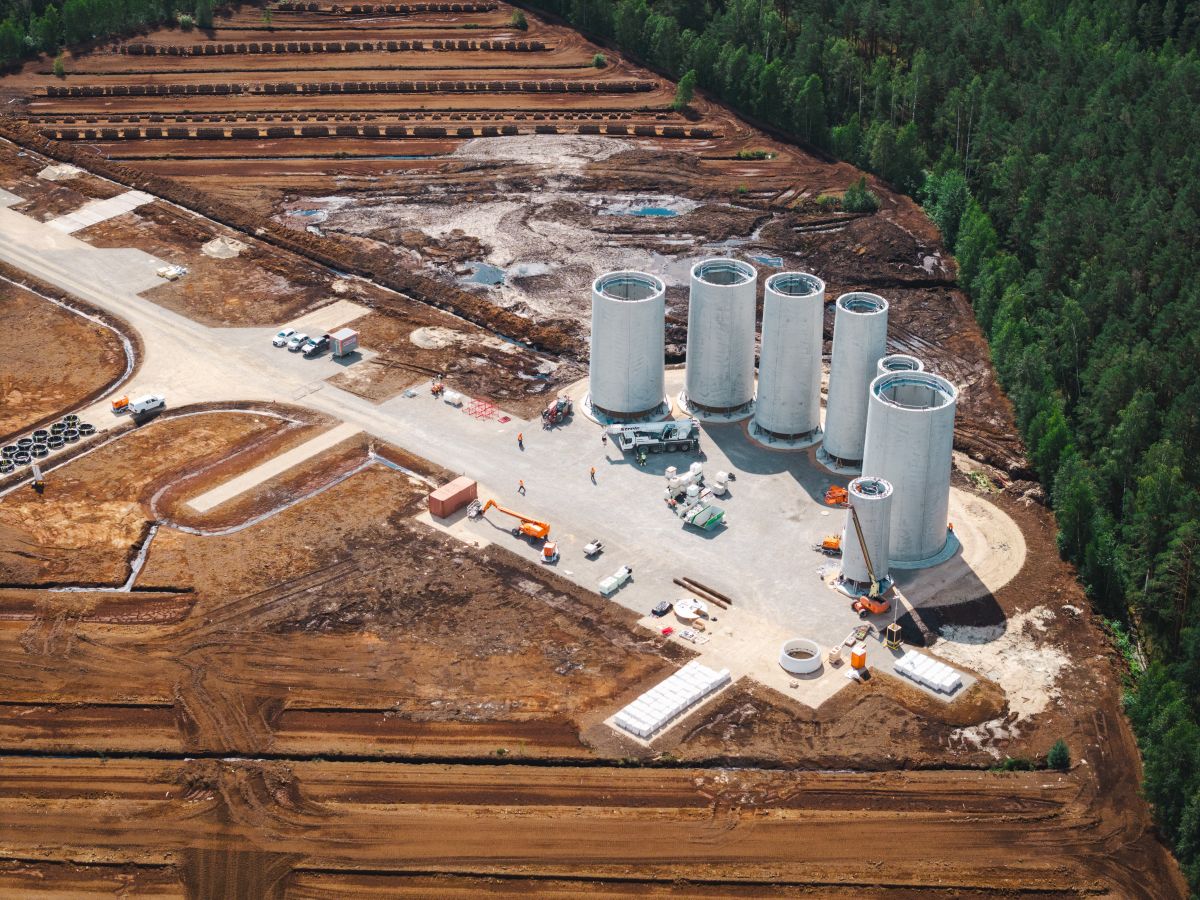
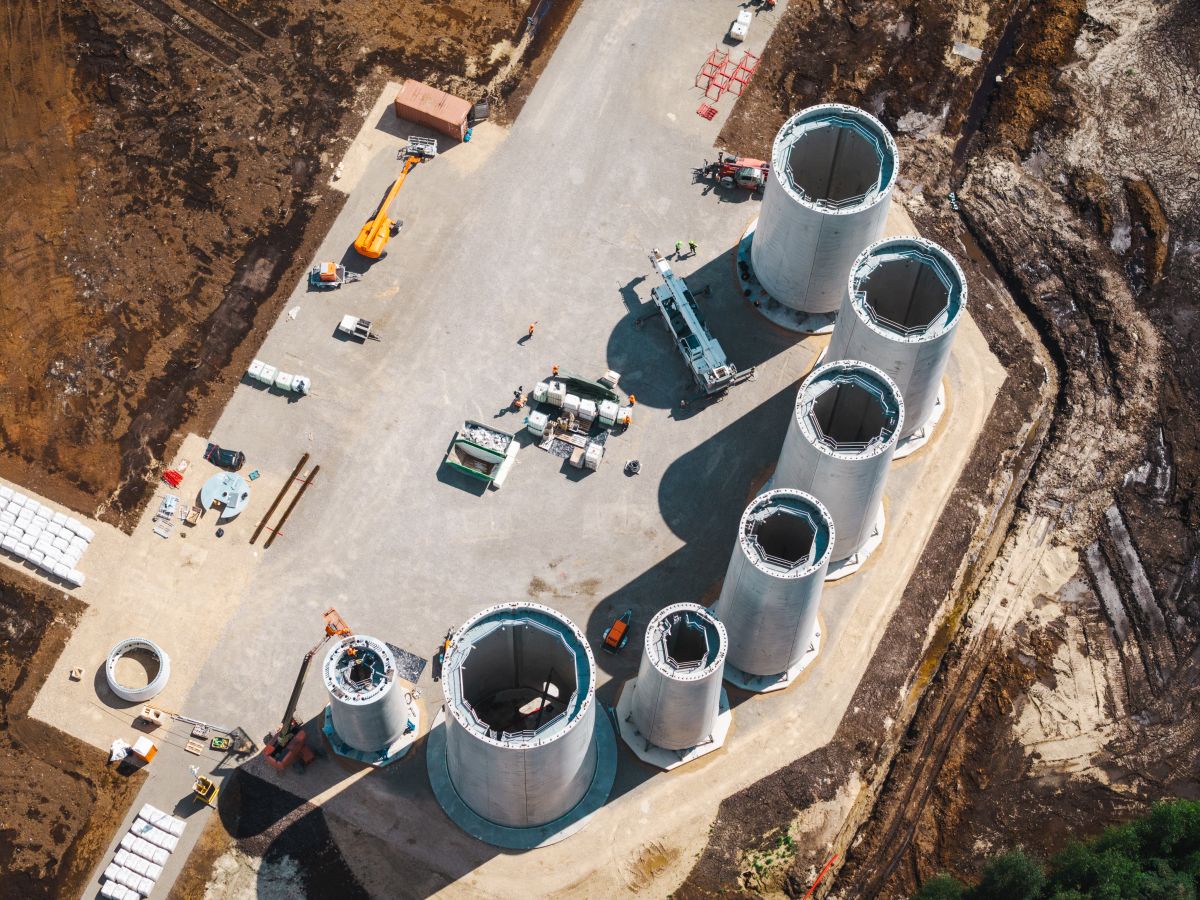
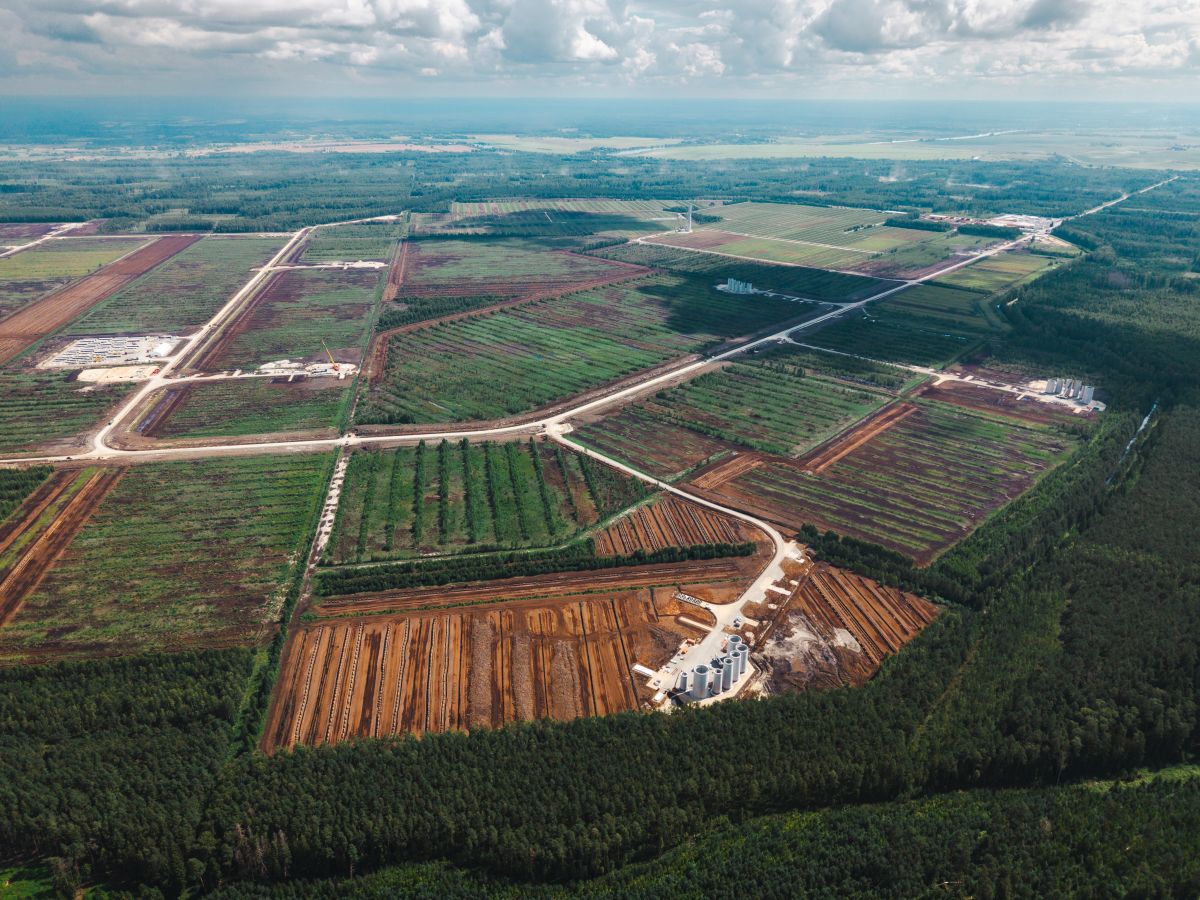
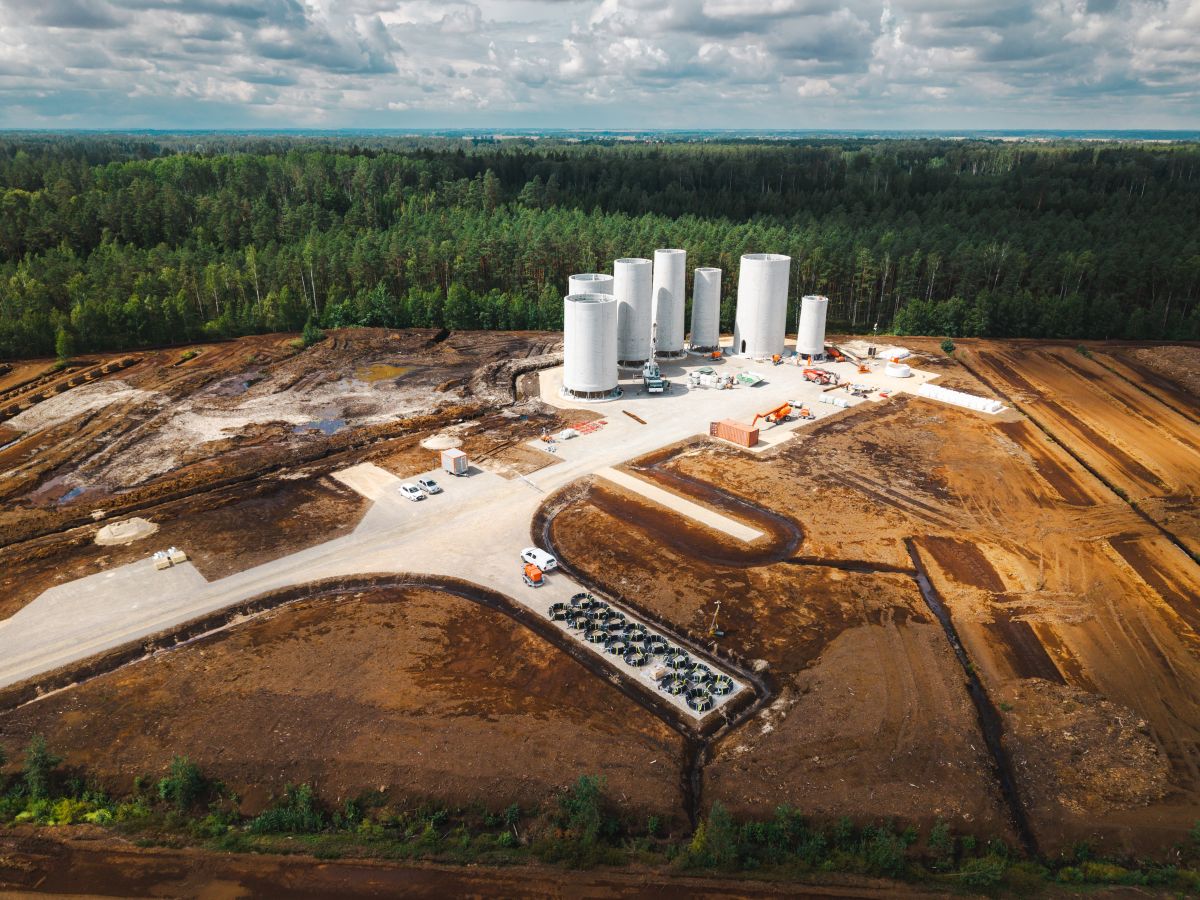
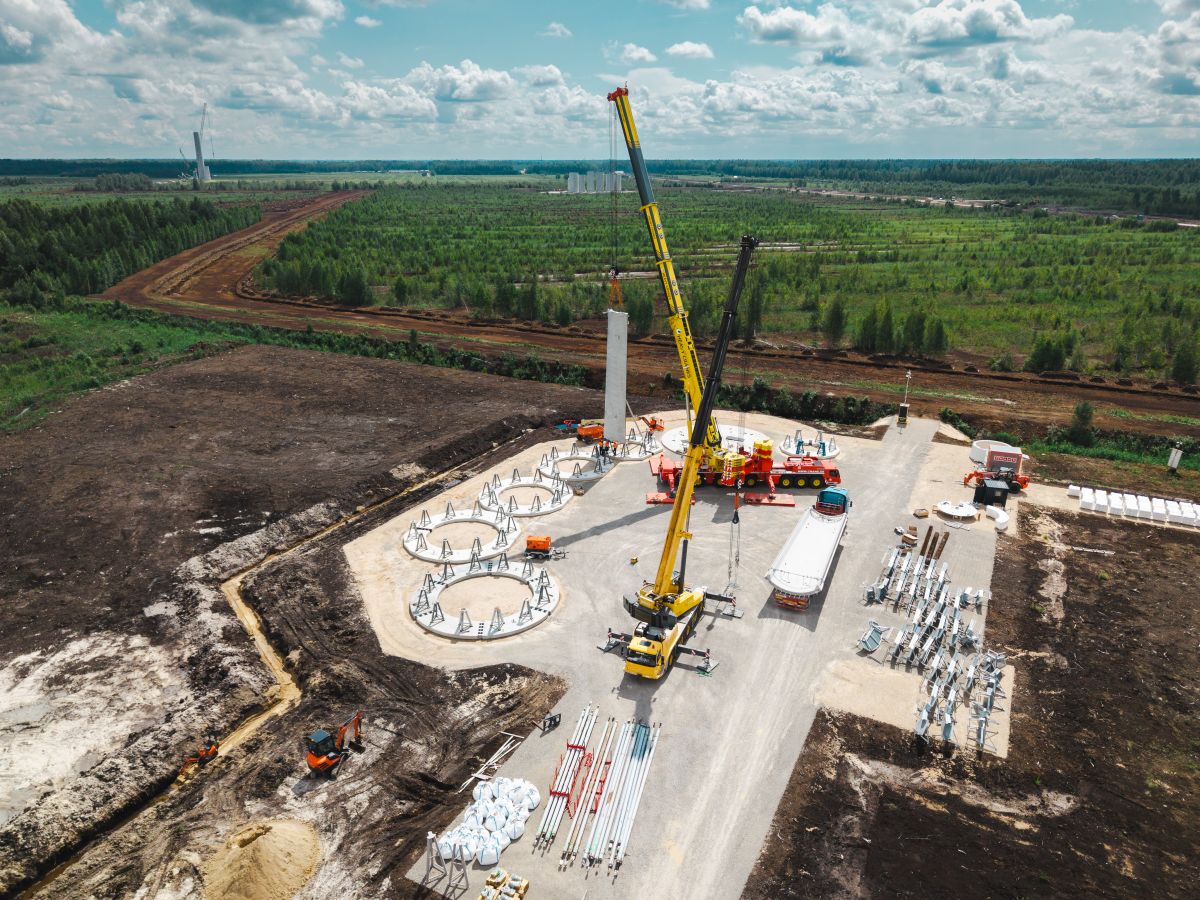
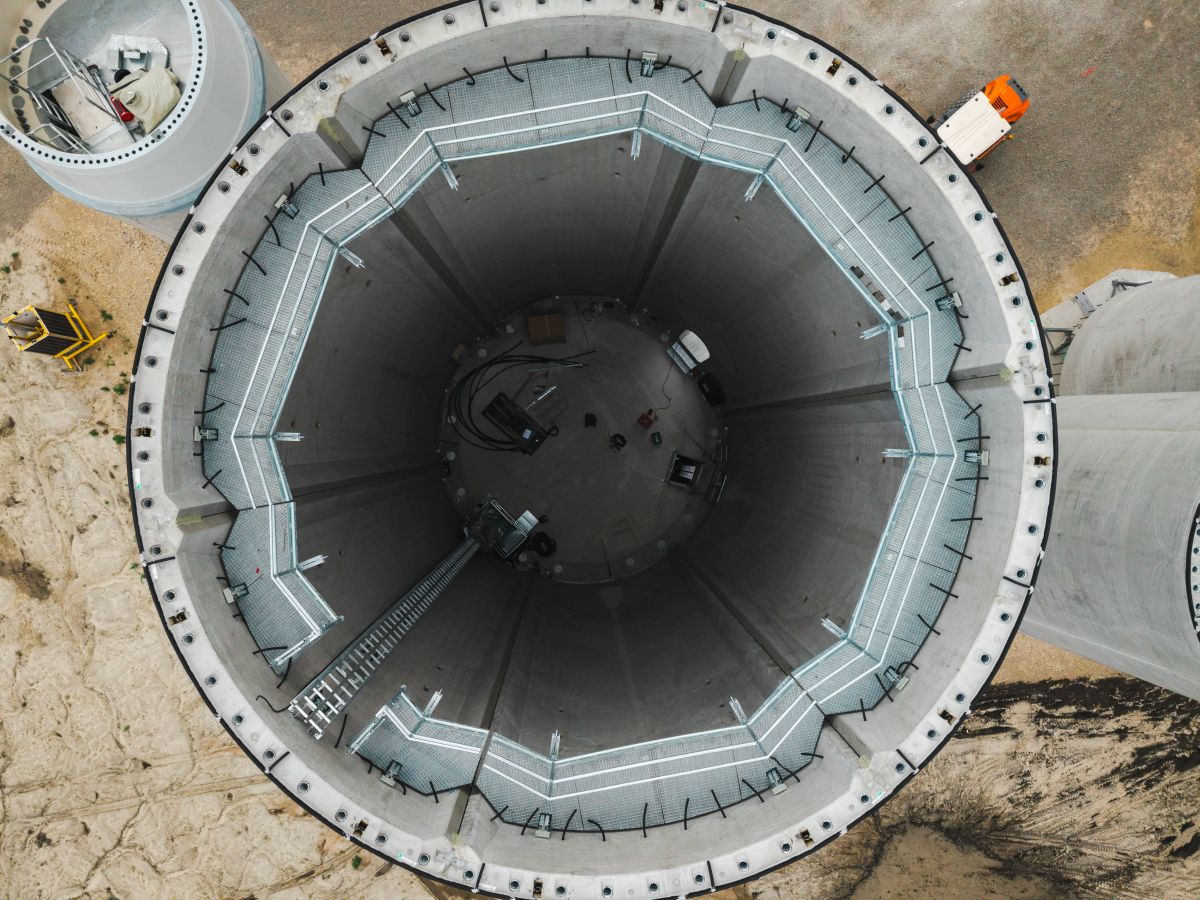
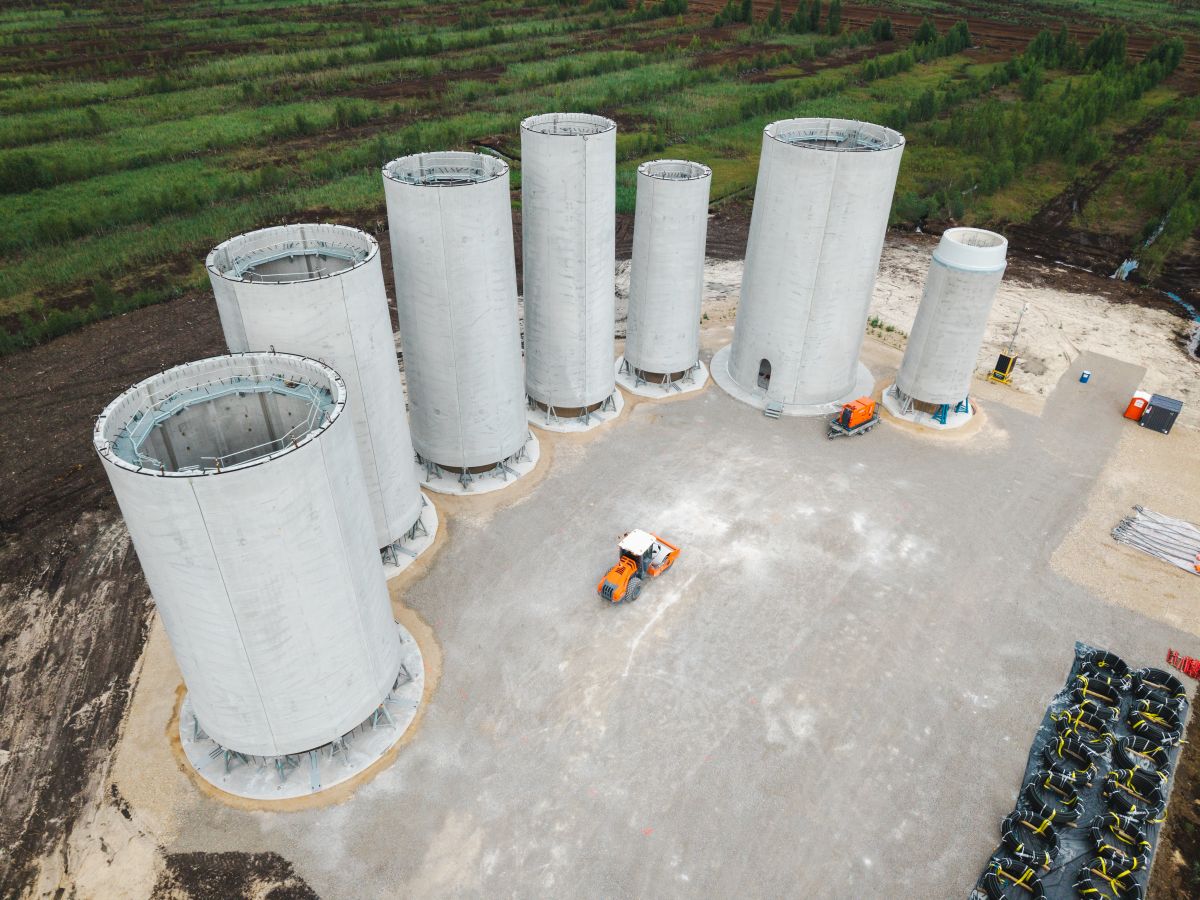
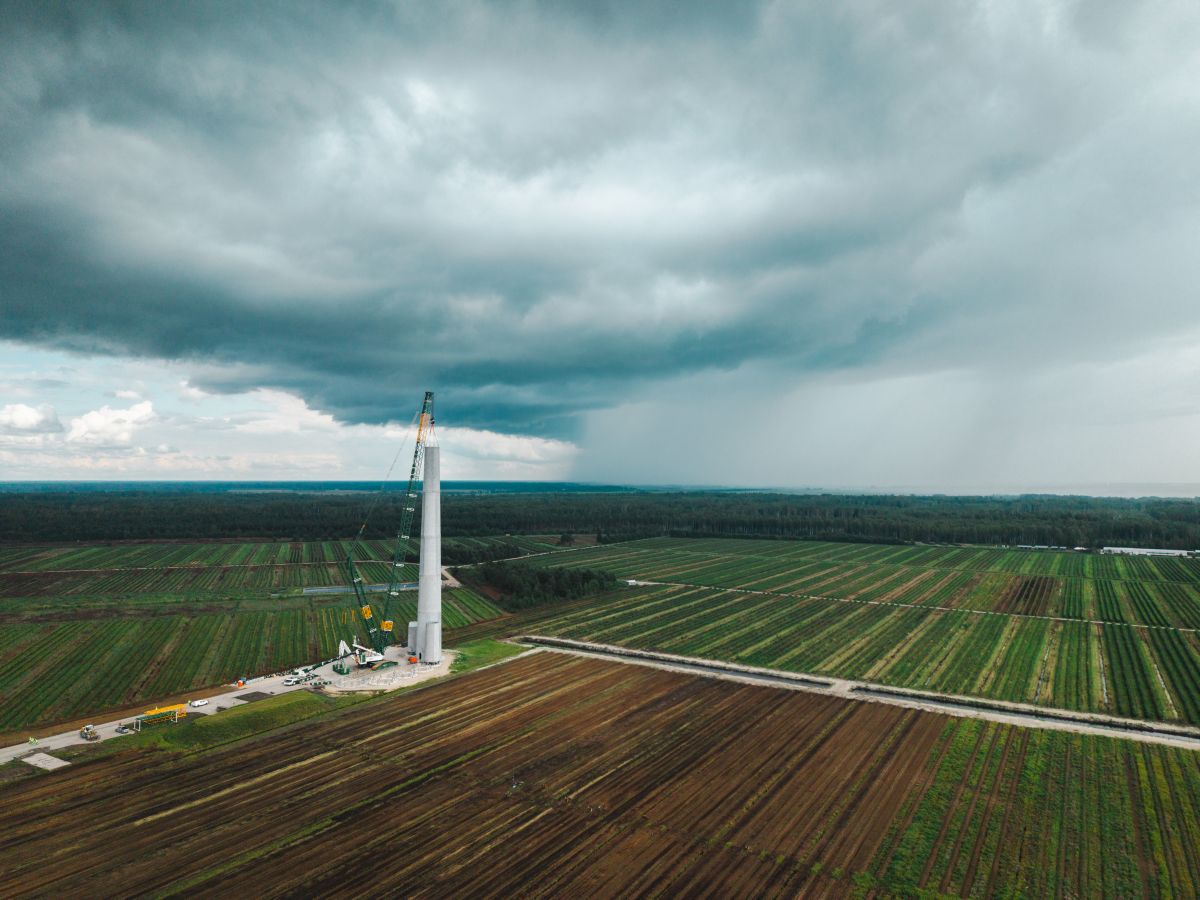
The Laflora Energy wind farm is currently the largest wind farm under construction in Latvia. It will feature the largest wind turbines in the region to date, and some of the tower components will be manufactured right here in Latvia; it will cover approximately 5% of the country's electricity consumption. The project sustainably develops a green industrial zone in a former peat extraction area, while using locally produced elements in construction. The Laflora Energy wind farm significantly strengthens Latvia as a renewable energy producing country and the leading position of Elektrum Group in the Baltic green energy market. Construction at the Laflora Energy park is progressing successfully, providing a historically significant contribution to the local economy and sustainability in Latvia.

The start of electricity generation will be both a symbolic and a practical milestone: it will strengthen Latvia's position in the renewable energy sector and promote regional economic development. The project, with a capacity of 108.8 MW and an investment of EUR 185 million, creates jobs, reduces electricity imports and boosts the local economy.
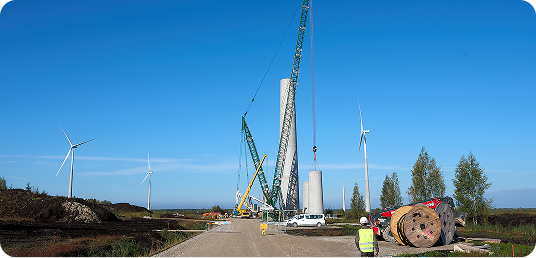
Since the foundation stone was laid in May 2025, the wind farm has grown rapidly. The foundations of all 16 turbines have been built and tower assembly is under way, to be followed by the next important stage – lifting the turbines and their blades. The wind farm is scheduled to be put into operation in 2026.
The park is already benefiting Latvia – our state-owned companies and people work there, and the concrete parts of the innovative towers have been produced right here in Latvia.
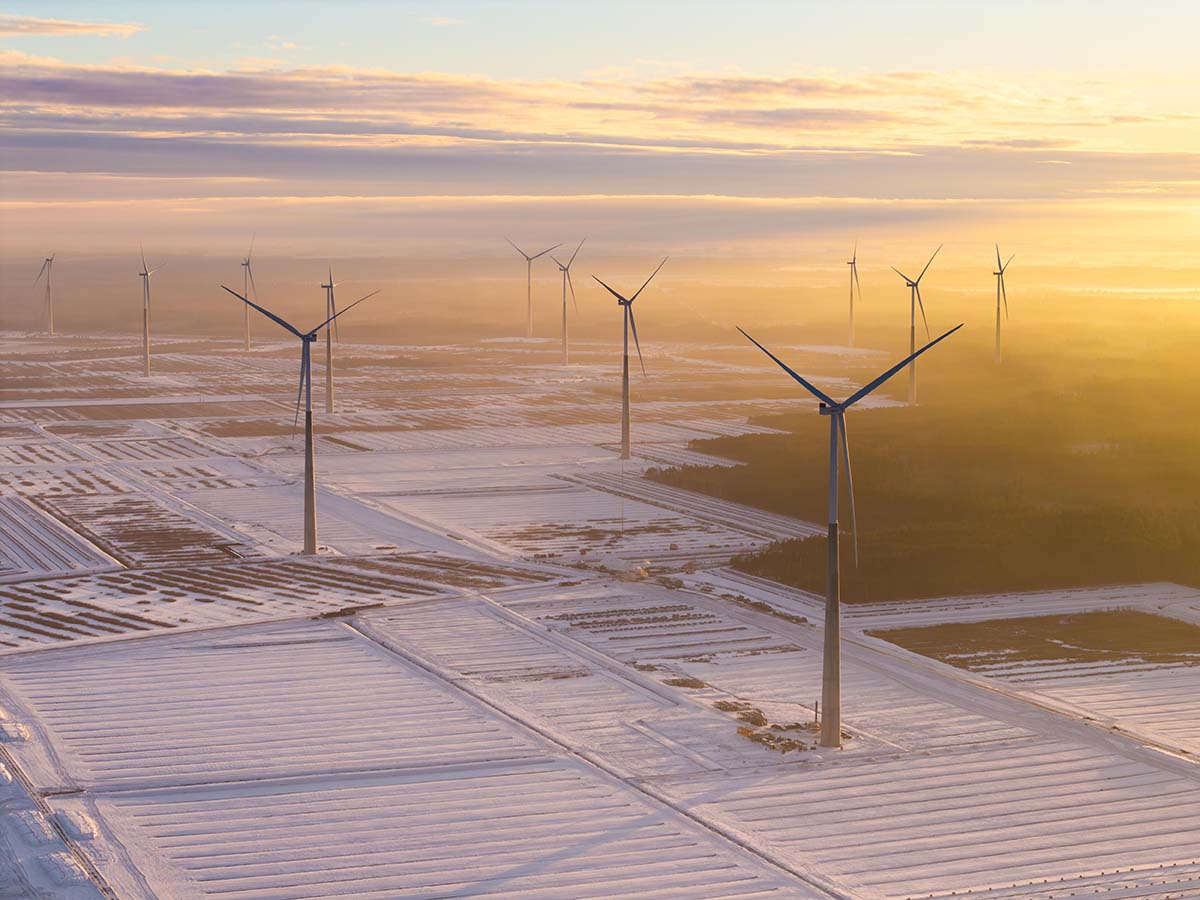
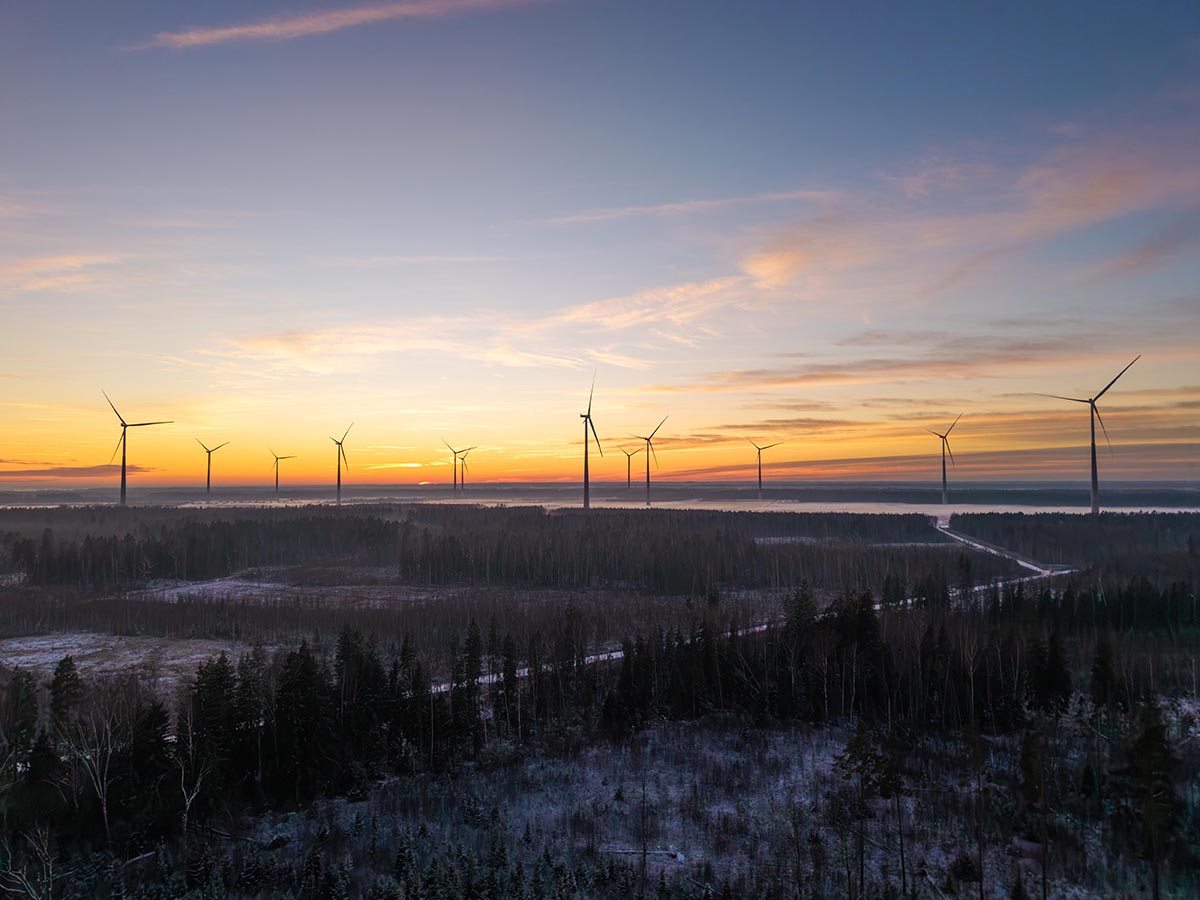
Akmenė wind farm
At the end of 2024, the Akmenė wind farm in Lithuania began operation – Elektrum Group's first wind farm outside Latvia.
The park has 4 turbines with a total capacity of 19.6 MW, and 68 GWh are planned to be generated per year. One Nordex turbine has a capacity of 4.9 MW, a hub height of 145 m, a blade length of 73 m, and a total turbine height to the highest point of the blade of 219.5 m.
Telšiai wind farm
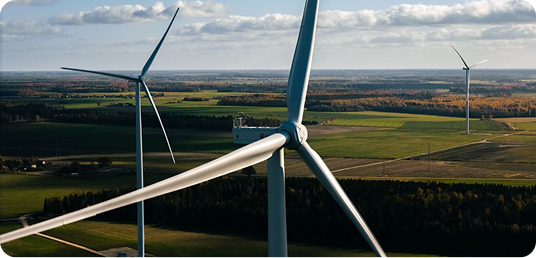
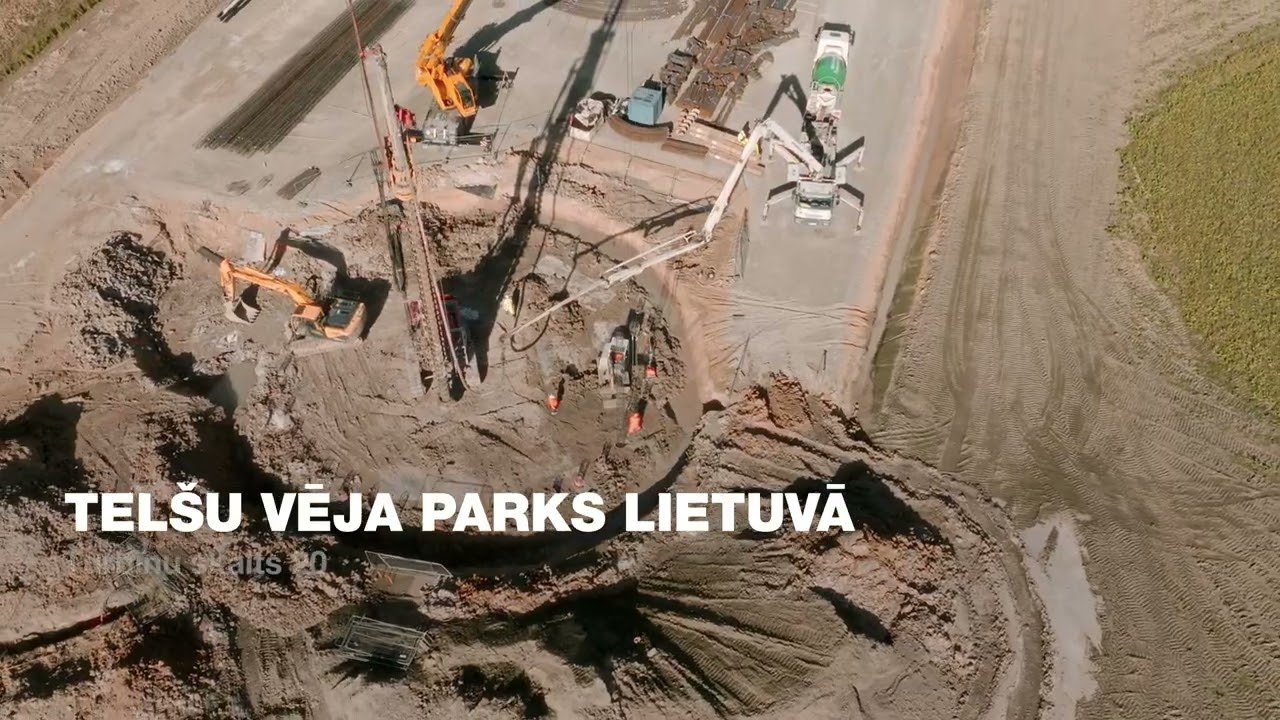
At the beginning of 2024, Latvenergo AS acquired the "Telšiai" wind farm project in Lithuania from "Utilitas Wind", and in October a symbolic wind farm capsule was walled in at a ceremonial event.
It is expected that wind energy generation with a capacity of 124 megawatts (MW) will start as early as the first quarter of 2026. The project will install 20 modern "Vestas" 6.2 MW wind turbines, which will provide electricity equivalent to the annual consumption of more than 125,000 households. Until the project is completed, construction work will be carried out under the management of "Utilitas Wind", while the manufacture, delivery and installation of the wind turbines will be carried out by "Vestas", the world's leading wind turbine manufacturer.
Construction infrastructure works, including the construction of access roads, cable networks and assembly sites, will be carried out by UAB "Merko statyba". The total construction cost of the project is around EUR 200 million.
Riebiņi wind farm
Elektrum Group plans to build and operate a wind farm and its related infrastructure in Riebiņi parish, Preiļi municipality. The environmental impact assessment evaluated the construction of up to 11 wind turbines, each with a nominal capacity of up to 7.2 MW, and a planned total capacity of up to 79.2 MW. The number of turbines to be built may change depending on the capacity of the selected wind turbines. During construction of the wind farm, it is planned to build the wind turbine foundations and install the wind turbines, build access roads and assembly sites, and lay the cable line and build the substation.
In accordance with the "Law on the procedure for the construction of simplified energy supply facilities necessary to promote energy security and independence", an application for the initial environmental impact assessment was prepared and submitted to the State Environmental Service on 3 February 2025. The application was prepared on the basis of the guidelines for carrying out an initial environmental impact assessment for assessing the environmental impacts of wind power plant construction.
For questions and information about the project: PreiluVES@latvenergo.lv.
Pienava Wind
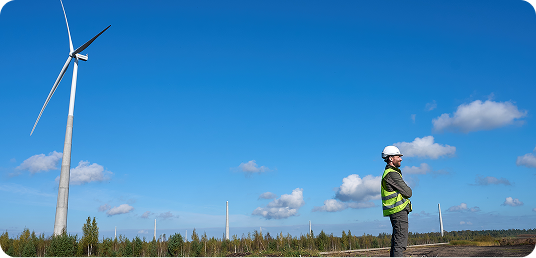
Latvenergo AS has acquired the "Pienava Wind" wind power plant project, which will allow wind energy generation with a capacity of 147 megawatts (MW) to start as early as the first half of 2027. This will ensure the implementation of the Group's strategy and allow energy generation to operate a significantly more balanced portfolio of production types. The Pienava Wind project plans to install 21 wind turbines from "Nordex" with a total capacity of 147 megawatts (MW). The capacity of each wind turbine is 7 MW. The total planned construction investment in Pienava Wind is approximately EUR 215 million. The project was developed by Eolus Latvija, a subsidiary of the Swedish company Eolus, which will continue developing the park until the construction works of the project are completed – this also includes the construction of all necessary infrastructure, i.e. access roads, installation platforms, a high-voltage substation, and high-voltage and medium-voltage cable lines with optical fibre communications. The project implementation also includes the construction and renovation of local and district roads necessary for the logistics needs of the wind farm.
Priekule wind farm
The Priekule wind farm will have two wind turbines from the German manufacturer Enercon, with a total park capacity of 11 MW, which are planned to start operating in 2027. The Priekule project is unique on the Baltic scale, as it is one of the first renewable energy projects that combines three technologies working together – wind turbines, solar panels and energy storage batteries (BESS) – creating an example of a modern energy facility.
Bird protection
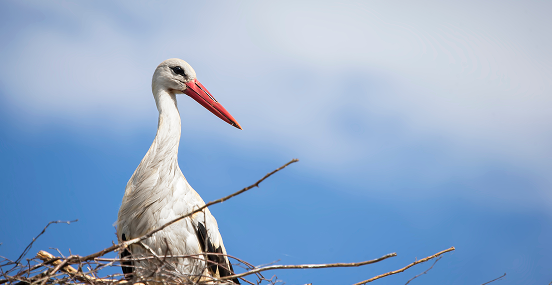
With the support of the Recovery Fund, Elektrum Group and Latvijas Mobilais Telefons SIA are implementing research project No. EP.01 "Automatic detection and identification of birds in wind turbine parks using computer vision and machine learning methods". The aim of the project is to research and develop a method for automatic detection and identification of birds in wind turbine parks, focusing on large soaring birds that are particularly at risk of colliding with wind turbine rotor blades.

Myths about wind energy
Wind energy is a relatively new sector in Latvia, and many myths have arisen alongside it. We have compiled the most frequently heard claims and set facts against them – so that the discussion about wind farms has a solid foundation.
Assessing the potential impact on wild birds, bats and habitats is one of the first things done when planning a wind farm. In both project pre-feasibility studies and the environmental impact assessment, certified experts are engaged to evaluate these impacts; they carry out a detailed survey of the planned wind farm site and provide opinions and recommendations that are taken into account already in the construction and operation stages of the project. If potential disturbance to bird populations is identified, the wind farm project is stopped.
In line with Latvenergo's operating principles, already at the start of the research process, environmental organisations and institutions as well as experts are involved in discussions in order to find the optimal location for wind turbines that has the least possible impact on bird populations, bats and habitats; the placement of various additional safety control systems is also assessed.
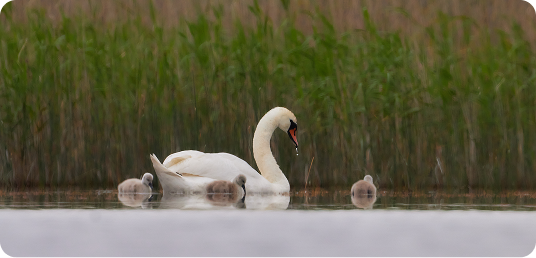
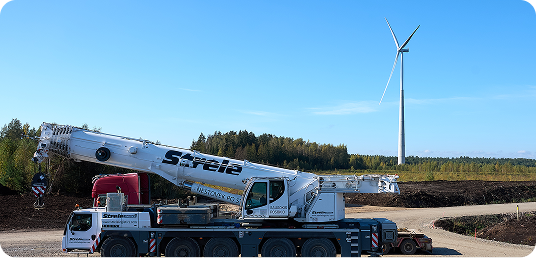
In addition to the measures mentioned above, during the operation of the power plants, ornithofauna and bat monitoring is carried out in cooperation with certified experts and nature protection institutions, so that the impact of the wind farm does not exceed the permissible level.
The danger of wind power plants to birds has been analysed in a number of studies, and it has been concluded that wind turbines are not the biggest threat to birds. When wind farms are planned responsibly and the latest technologies are used, their impact on birds' daily lives is reduced to a minimum.
Climate change caused by the use of fossil resources has a much greater impact on the environment, including habitats and bird populations, and when comparing these impacts, and considering the ever-growing need for electricity, it must be concluded that using wind potential is the most environmentally friendly way to meet this demand.
When building a wind power plant, a number of construction rules must be observed. These rules, especially for wind power plants, are designed so that turbines do not affect residents' wellbeing and, most importantly, their health.
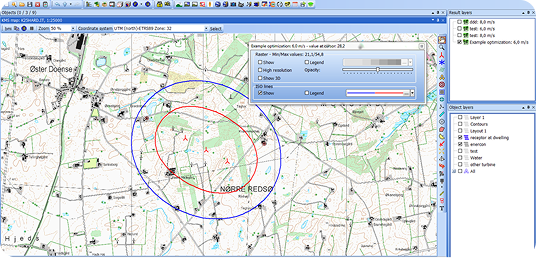
Noise pollution, infrasound and the flicker effect caused by wind power plants are mentioned in various publications as an unavoidable impact of wind turbines on the surrounding environment. These factors have been studied in depth, and it has been concluded that although the sound produced by wind turbines may be clearly audible closer than 100 m, at a greater distance it is no longer disturbing. Under normal conditions, at a distance of 800 metres, which is the minimum distance from a power plant to the nearest human dwelling, the noise made by turbines is not audible. When planning and modelling a wind farm, the sounds produced by the turbines are taken into account, and the location of the power plants is planned so that they do not disturb people.
Studies of the effects of infrasound have concluded that at a distance of 700 m from an operating wind power plant, the results do not differ significantly from measurements taken in the same place when the turbine is switched off.
It should be noted that the development of wind turbine technology helps to reduce the impact. For example, to prevent the effects of flicker, wind farms use systems in which light sensors, GPS receivers and specially designed algorithms work together, helping to adjust the operation of the wind farm so that specific turbines are stopped at the moment when their shadow could cause a flicker effect.
Latvenergo's approach is based on respect for the environment, the landscape and surrounding residents. We work in the interests of Latvian residents, respecting the rules and using available technologies so that residents' wellbeing and biodiversity are not affected.
Learn more:
Herrmann, Lorenz, et al. "Low-frequency noise incl. infrasound from wind turbines and other sources." INTER-NOISE and NOISE-CON Congress and Conference Proceedings. Vol. 253. No. 3. Institute of Noise Control Engineering, 2016.
Pedersen, Eja, and Kerstin Persson Waye. "Perception and annoyance due to wind turbine noise—a dose–response relationship." The Journal of the Acoustical Society of America 116.6 (2004): 3460-3470.
Chapman, Simon, and Fiona Crichton. Wind turbine syndrome: A communicated disease. Sydney University Press, 2017.
Wind energy technologies have reached a level that allows onshore wind farms to be built without additional support or subsidies. This means that the construction and operation of wind farms will not place any financial burden on society. On the contrary, including wind energy in the generation portfolio strengthens the country's energy independence and reduces uncontrolled price fluctuations. Elektrum Group's wind farms are developed on free market principles, and subsidies will not be used for these projects.
Elektrum Group's core principles in developing wind farms are to work in the interests of the Latvian state and residents, to build wind farms in a socially responsible way, with respect for the environment and the landscape, and to channel part of the earnings directly to the municipalities in whose territory these parks are located, by proposing amendments to the draft law that currently does not allow this.
During the planning process of Elektrum Group's wind farms, we regularly consult with the municipalities concerned as well as environmental institutions and organisations in order to identify and discuss possible risks and uncertainties in good time.
With the electricity generation capacity currently built, the Baltic region and Latvia are unable to cover their own consumption, so approximately half of the required amount of electricity is currently imported, and this share of imports tends to increase. Elektrum Group's medium-term strategy for 2022–2026 provides for reducing electricity imports.
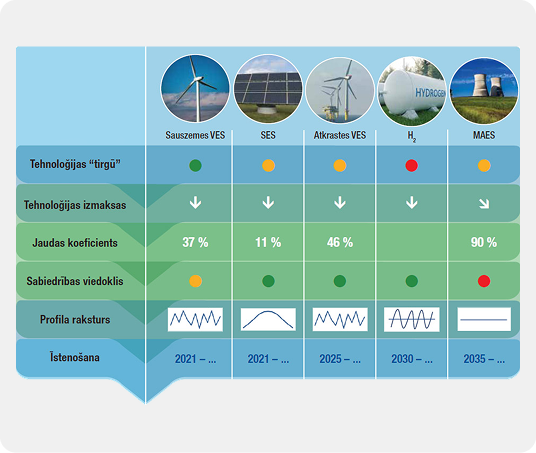
In recent years, Elektrum Group's specialists have studied various technologies in depth, including offshore and onshore wind farms, solar parks, hydrogen and small nuclear power plants. The studies assess a number of factors, mainly technology costs and current market readiness. It has been concluded that at present the most suitable solution for Latvia is the development of onshore wind farms, complementing them, where possible, with high-capacity solar parks.
With the future in mind, the use of other technologies is also being carefully assessed. Other Nord Pool countries are also working to continue developing wind energy. It can already be observed that on windy days the electricity price in Latvia falls, and in regions where wind energy is used for electricity generation, electricity prices are more stable. Adding additional capacity to the common grid will stabilise the electricity price across the region and significantly promote energy independence and stability.
Learn more:
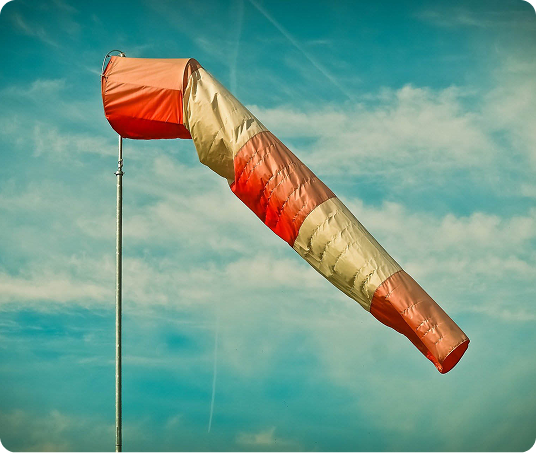
Although the Kurzeme coast is considered the region richest in wind resources in Latvia, the development of wind energy technology now makes it possible to develop wind farms practically across the whole of Latvia. The latest wind turbines do not need constant, strong wind to generate electricity – they are capable of starting up from 2–3 m/s and operating efficiently even at relatively low wind speeds. In addition, the height and blade length of modern wind turbines make it possible to use the stronger and more stable wind found at greater heights.
This makes it possible to select the most suitable areas even more carefully for the responsible and respectful development of wind farms.
Questions and answers
The development of wind farms raises many questions – both about technical aspects and about the impact on the environment and society. Here you will find answers to the most frequently asked questions.
Habitat protection is ensured already during wind farm planning and the environmental impact assessment, by engaging certified species and habitat experts who survey the entire area of the planned activity – potential wind turbine sites, overhead power lines, substation sites and access roads. In this way, negative impact on specially protected plant species and habitats is prevented as far as possible.
When assessing forest stands and planning the placement of wind turbines, consideration is also given to how the wind farm will fit into the landscape, so as not to create excessive density. In Elektrum Group's view, a responsibly planned wind farm does not degrade but, on the contrary, enhances the overall landscape and demonstrates green thinking and the ability to make full use of what nature gives us.
Modern society is used to the comfort provided by electricity, and life today is unimaginable without it. The European Union's Green Deal and the increasingly widespread use of electricity in practically all sectors will only increase the need for electricity in the coming years. Generating electricity from wind is considered one of the cleanest and safest ways of producing energy, but it is not possible to avoid any impact on the surrounding environment and society. Therefore, when developing wind farms, various factors that affect or could potentially affect the surrounding environment and residents are carefully studied.
Our operating principles state that we act with responsibility towards nature and society. This also includes planning with the full life cycle of the project and future prospects in mind. Elektrum Group will be working in Latvia not only today but also far into the future, when the wind farms built today reach the end of their life cycle.
Already today, 90% of the materials used in wind power plants are recyclable or reusable. The wind energy industry and turbine manufacturers are putting a great deal of work into finding ways to reuse or recycle the remaining 10% as well. For example, in March 2022, the first fully recyclable turbine blade prototype was created within the ZEBRA (Zero Waste Blade Research) project. One of the wind industry's current priorities is to ensure that no turbine part is disposed of at the end of its life cycle but is recycled for reuse. Elektrum Group's goal is to make full use of the possibilities of these technologies, working with power plant manufacturers so that wind farms are built responsibly also towards future society.
Another aspect of wind farm construction is their infrastructure, for example, the creation of access roads. When planning wind farm construction, great attention is paid to using and improving existing infrastructure. It should be noted that newly created access roads are also available for use by the rest of society, for example, to reach previously inaccessible areas for walks in the forest.
A full life cycle analysis is carried out when assessing any electricity generation source, and according to the studies carried out, wind energy achieves one of the lowest CO₂ emission rates per unit of electricity generated over its life cycle compared with other energy sources. Moreover, even after the end of the life cycle, it is common practice to renew the wind farm, continuing to use the existing infrastructure.
Using larger and taller wind turbines has several advantages:
Larger turbines are much more efficient and can operate even at low wind speeds. This significantly expands the usable area, so it is possible to choose the most suitable sites for wind farm development, and they do not have to be concentrated in one site, overloading the transmission network and the landscape. Taller wind turbines can also be placed in forest areas, where this would otherwise be difficult due to the turbulence caused by the forest. The higher above the ground surface, the more wind speed and stability increase, so with taller turbines the power of the wind can be fully used. Wind turbines that reach well above the treetops allow the area beneath them to be used – the turbines do not affect forest growth, allow low-flying birds to move freely, and in rural areas agriculture can be carried out beneath them. Larger wind turbines make it possible to use fewer turbines in a wind farm, so the land area is used much more efficiently, reducing the overall impact on the landscape.
It should be noted that tall wind turbines also blend into nature far more organically than, for example, various objects in the urban environment. In wide open fields and forest areas, wind farms complement the landscape organically.
Latvia's transmission network is ready for wind farms. Augstsprieguma tīkls AS (AST) provides electricity transmission services in Latvia and regularly invests in improving and modernising the transmission network. One of the most recent infrastructure investment projects, developed with the growing capacity of renewable energy, including wind energy projects, in mind, is the "Kurzeme Ring". Its construction already today provides connection and transmission opportunities for more than 1,000 MW of new renewable energy capacity.
The impact of wind turbines on everyday mobile network and internet coverage is rare, and such an impact is practically not observed. In very rare cases, where there are concerns that an impact on communication networks could occur, this is identified and resolved in good time by using alternatives to the usual technologies.
In the case of national security systems (security radars, aviation communication networks, etc.), safety zones are defined in which no project development is possible, and such areas are excluded from the planning process at the very start of the project.
Wide, open fields, including large agricultural lands, as well as degraded areas such as exhausted peat bogs and quarries, are well suited for wind farm construction, both in terms of wind potential and limited biodiversity. Elektrum Group is considering the possibility of developing wind farms in various areas, but the regulations in force must be taken into account, such as restrictions on the use of agricultural areas of national importance. Amendments to these regulations are currently being drafted and will be changed in the future, but for now these land areas are not available for wind farm construction.
Developing wind farms in Latvian state forest areas has several significant advantages, from both financial and environmental perspectives. As a result of the cooperation of two state-owned companies, all benefits of the project remain with the Latvian state, and having one landowner as a project participant considerably simplifies the development process. Placing wind turbines in forest areas also helps reduce the impact on the landscape and nearby residents. When planning wind projects in forest areas, the technologies used and the impact on habitats, of which forests have no shortage, must be carefully assessed, but if the preparation process is carried out responsibly, forests are a suitable place for wind farm development.
Although concerns have been voiced that a nearby wind farm could reduce real estate values, in Latvia such an effect has been observed very rarely and only in isolated cases. If a wind farm is built responsibly, in compliance with all requirements in force, there is no justified reason for real estate values to fall.
Have questions you couldn't find an answer to? Submit your question and our specialists will help you find the answer.
News
-
Latvenergo plans to expand its renewable energy portfolio

-
Latvenergo’s generation portfolio is becoming more balanced
-
Foundation stone laid for a local capital and innovation wind farm in Latvia
-
The biggest Latvian wind energy developers withdraw from the Latvian Wind Energy Association
-
Latvenergo renewable energy development will be implemented by Elektrum Next
-
Latvenergo lays a Symbolic Time Capsule at Telšiai Wind Farm
-
Latvenergo: the development of wind farms is a cooperation opportunity for Latvian entrepreneurs
Open to cooperation
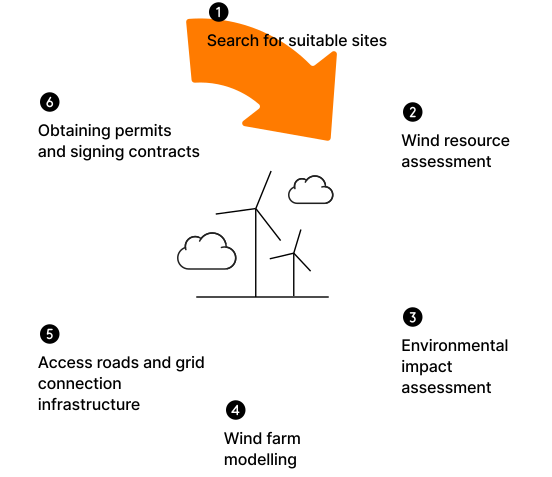
The development of wind energy technology makes it possible to generate green, zero-emission electricity across the whole of Latvia. This opens up ever wider opportunities to choose sites that are particularly well suited for wind farm development. Latvenergo specialists are currently working to research various sites and analyse the potential for wind farms in different areas. Selecting suitable sites is a complex process, as the initial research phase must already include a number of factors that must be taken into account, with responsibility towards society and the environment, before a decision is made.
We are open to cooperation with other wind farm project developers as well as landowners who wish to develop wind farms on their property. We invite interested parties to fill in the application form, and our specialists will contact you.
Propose a cooperation
Are you a landowner, a municipality or a company that wants to get involved in wind farm development? Fill in the form and our specialists will get in touch with you.
Contact details
Our team is ready to answer all questions about wind farm development and cooperation opportunities. Contact the specialists below or write to ves@latvenergo.lv